
Details
The First-Gen Acura NSX: the supercar that learned manners When the first-generation NSX arrived in the early 1990s, ...
The First-Gen Acura NSX: the supercar that learned manners

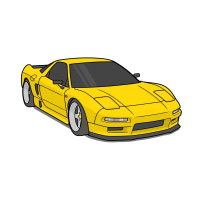
When the first-generation NSX arrived in the early 1990s, it didn’t just chase Honda’s rivals—it challenged the whole idea of what an exotic car had to be. Until then, “supercar” often meant drama: heavy controls, temperamental reliability, awkward visibility, and a feeling that the car was always one mistake away from biting back. The NSX flipped that script. It delivered mid-engine balance and high-rev excitement, but with everyday usability that felt almost rebellious.

Sold as the Honda NSX in most markets and the Acura NSX in North America (and some others), the first-gen car ran from 1990 to 2005—an unusually long life for a vehicle that started as a technological statement.

Built like a future classic from day one

One of the NSX’s biggest “mic drop” moments was its structure. Honda pushed lightweight engineering into the mainstream by giving the NSX an all-aluminum monocoque body—something that sounded like racing tech at the time, not something you’d drive to dinner. That choice didn’t just reduce weight; it helped shape the car’s personality: quick responses, a clean, rigid feel, and a sense that every input mattered.

Then there’s the engine—because the NSX wasn’t built to win spec-sheet wars with huge displacement or turbo tricks. Early cars used a 3.0-liter DOHC V6 with Honda’s VTEC system, designed for smoothness down low and a distinctly sharp, urgent character as the revs rose. It made about 270 hp in manual form (less with the automatic). Later, Acura’s 3.2-liter version was rated at 290 hp and 224 lb-ft, keeping the naturally aspirated feel but adding a stronger punch.

A cool bit of engineering trivia that perfectly captures the NSX mindset: Honda used titanium connecting rods—exotic, expensive hardware you’d normally associate with race engines—because the NSX was meant to live at high RPM all day without flinching.

A supercar you can actually place on a road

The genius of the NSX wasn’t just the materials or the powertrain—it was how normal it felt to operate, without ever feeling boring. The seating position was natural. The controls were friendly. The visibility was unusually good for a mid-engine coupe (a detail Honda famously cared about). And the chassis balance made it approachable at sane speeds while still rewarding real commitment.
Development stories often point to the car being fine-tuned with input from Ayrton Senna during the late stages, including testing at Suzuka Circuit—the kind of detail that helped cement the NSX legend.

The evolution: sharper, rarer, more collectible
Because the first-gen NSX stayed in production for so long, it’s really a family of personalities rather than one single “version.”
Early NA1 cars (3.0L, 5-speed manual or automatic): the purest expression—light, clean, and very “1990s future.”
1997-on updates (3.2L + 6-speed manual for manuals): more torque, more bite, and a slightly more mature feel, while keeping the high-rev charm.
2002 facelift: the iconic pop-up headlights were replaced with fixed HID units, modernizing the look and subtly changing the car’s vibe (some purists mourn the pop-ups; others love the cleaner nose).
And then there are the special versions—especially the lightweight, track-focused NSX-R models (Japan-market) and the rarer enthusiast editions that have become magnets for collectors.
Why the first-gen NSX matters now
Today, the first-generation Acura NSX sits in a rare sweet spot. It’s a true analog driver’s car—naturally aspirated, balanced, communicative—but it’s also historically important. It proved you could engineer an exotic without building in inconvenience. It also showed that precision and repeatability could be just as exciting as raw chaos.
That’s why the NSX’s reputation has aged so well: it wasn’t chasing a trend. It was setting a new baseline.

Even the end of production reads like a closing chapter to a long-running idea—Honda formally announced it would discontinue NSX production in 2005.


More
Members
Link copied to your clipboard
Filter Timeline:
Pinned Items
Recent Activities
  •   Votren911 reacted to this post about 1 month ago
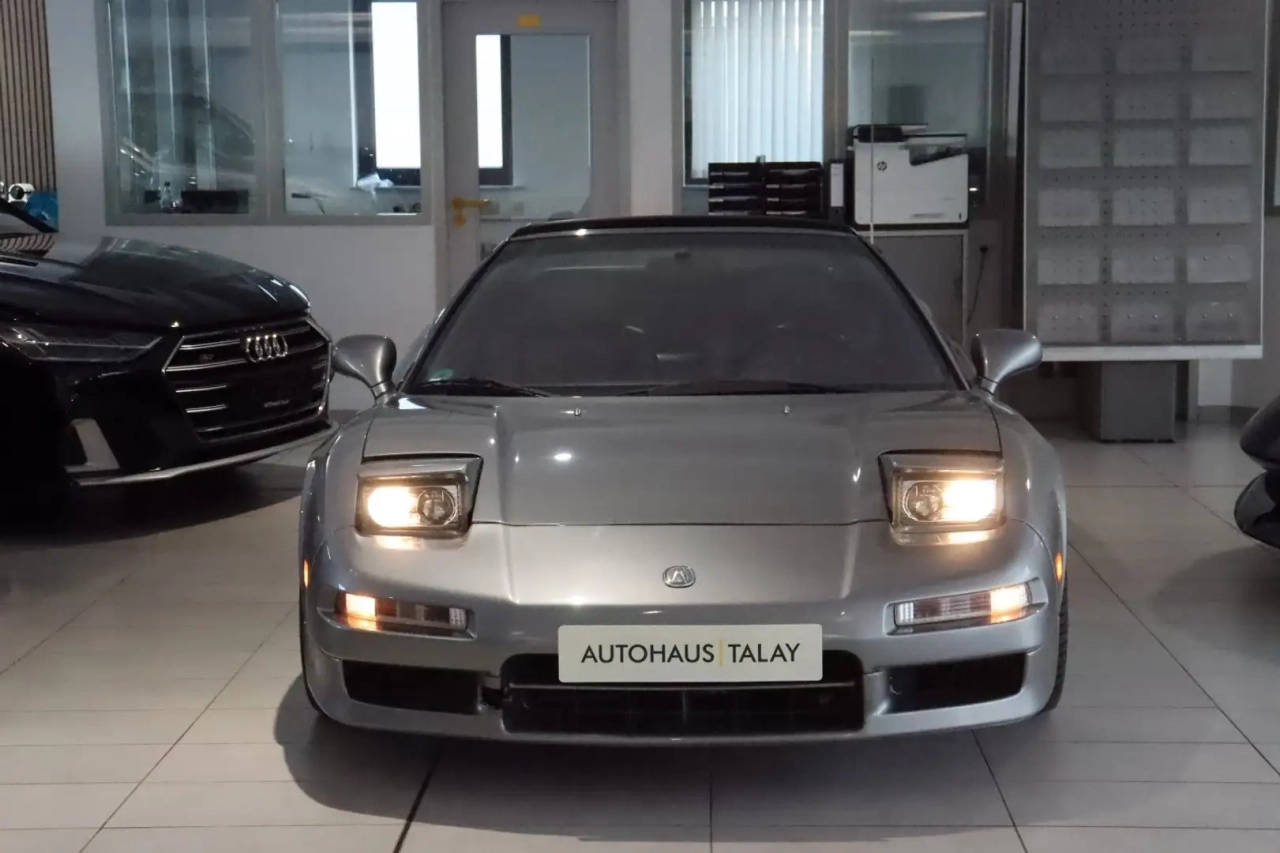
    Votren911 added a new listing in Acura NSX Mk1
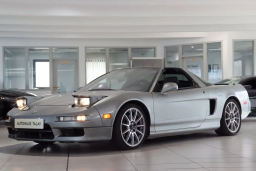
    Marketplace Acura NSX-T Bose Elektr.Seats
    Body type - Coupe
    Vehicle type - Used
    Drivetrain - Rear Wheel Drive
    Seats - 2
    Doors - 2
    Warranty - Yes
    Vehicle History
    Mileage - 82,400 km
    First registration - 03/1998
    General inspection - New
    Full service history
    Yes
    Non-smoker...
    Body type - Coupe
    Vehicle type - Used
    Drivetrain - Rear Wheel Drive
    Seats - 2
    Doors - 2
    Warranty - Yes
    Vehicle History
    Mileage - 82,400 km
    First registration - 03/1998
    General inspection - New
    Full service history
    Yes
    Non-smoker vehicle
    Yes
    Technical Data
    Power
    216 kW (294 hp)
    Gearbox
    Manual
    Engine size
    3,179 cc
    More
    Comments (0)
    Post is under moderation
    Stream item published successfully. Item will now be visible on your stream.
  •   Votren911 reacted to this post about 1 month ago
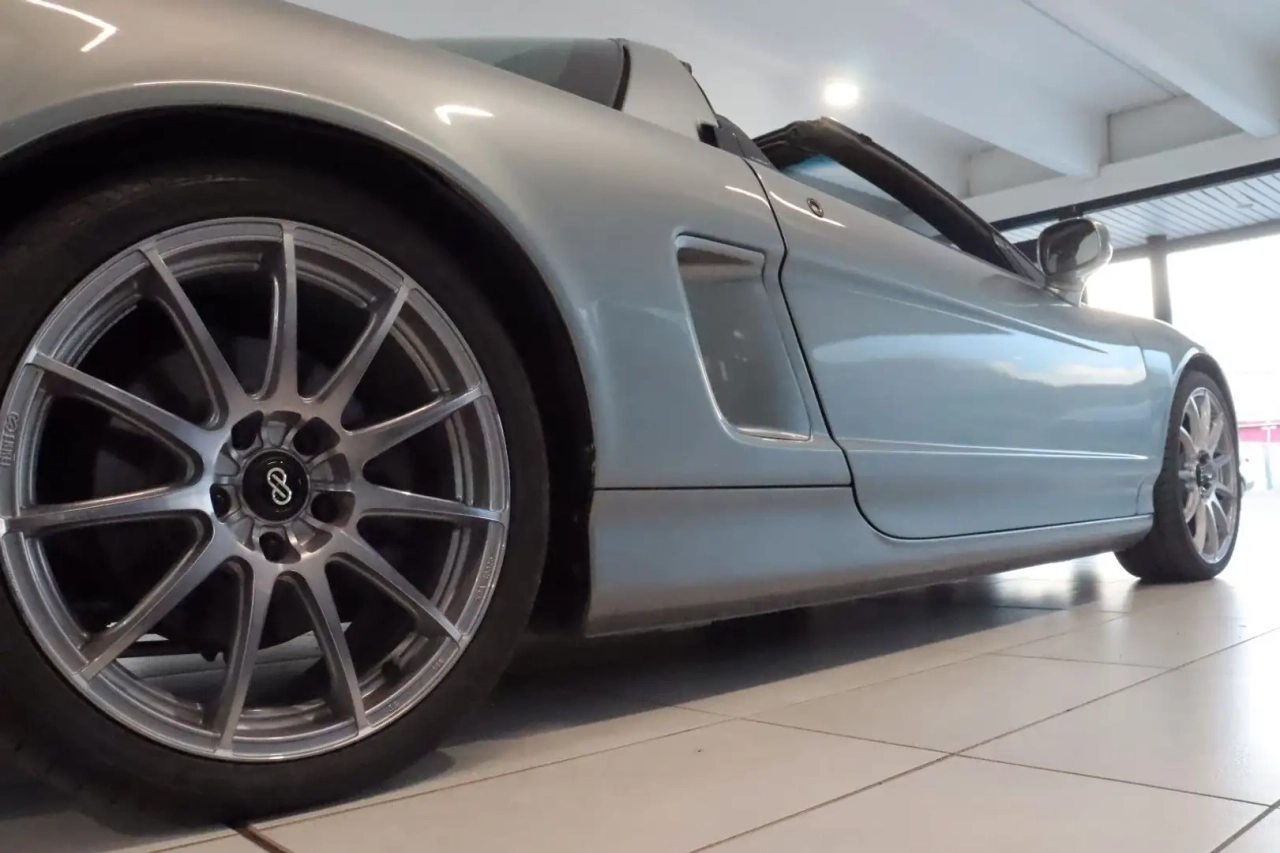
    Votren911 uploaded 11 photos in the album 1998 Honda NSX
    Comments (0)
    Post is under moderation
    Stream item published successfully. Item will now be visible on your stream.
  • Votren911 updated the Acura NSX-T Bose Elektr.Seats listing details in group Acura NSX Mk1
    Post is under moderation
    Stream item published successfully. Item will now be visible on your stream.
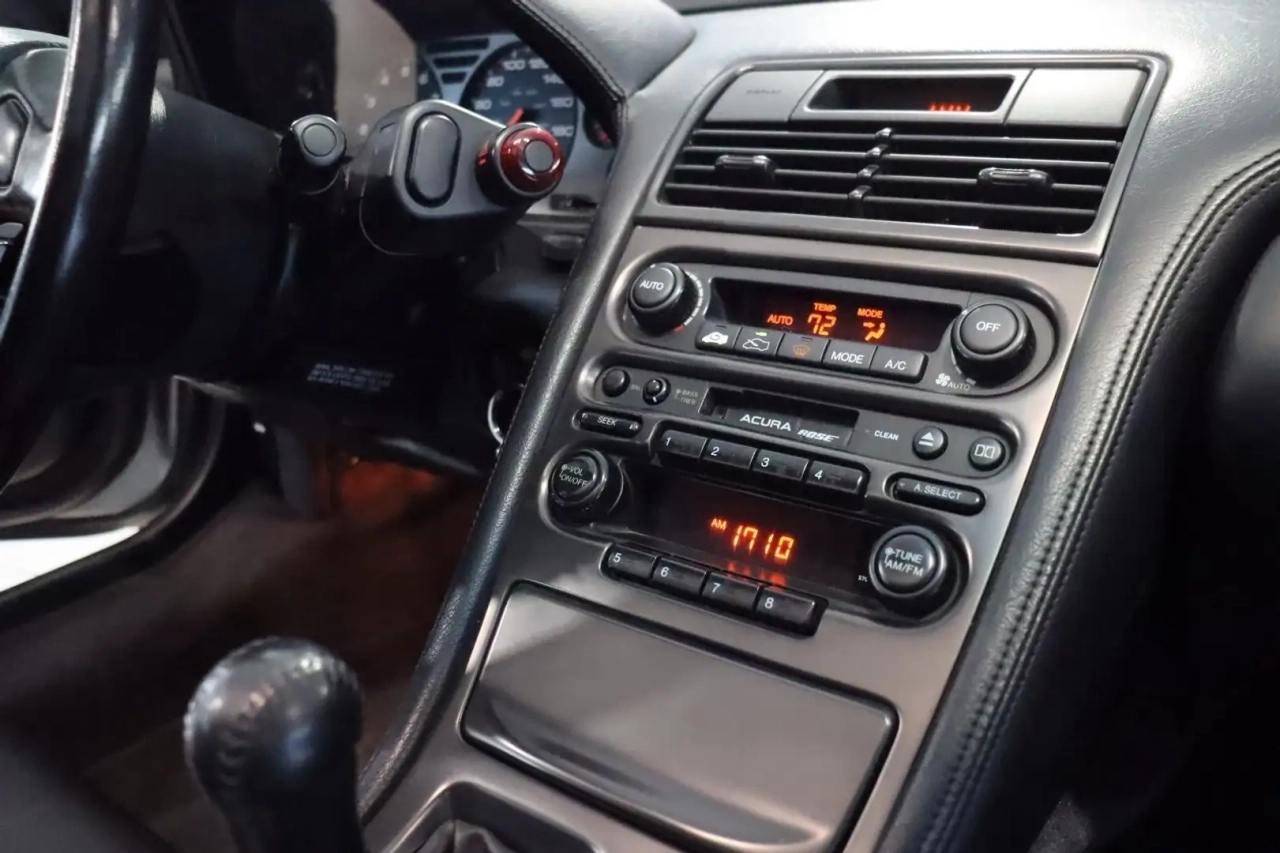
  • Votren911 updated the Acura NSX-T Bose Elektr.Seats listing details in group Acura NSX Mk1
    Post is under moderation
    Stream item published successfully. Item will now be visible on your stream.
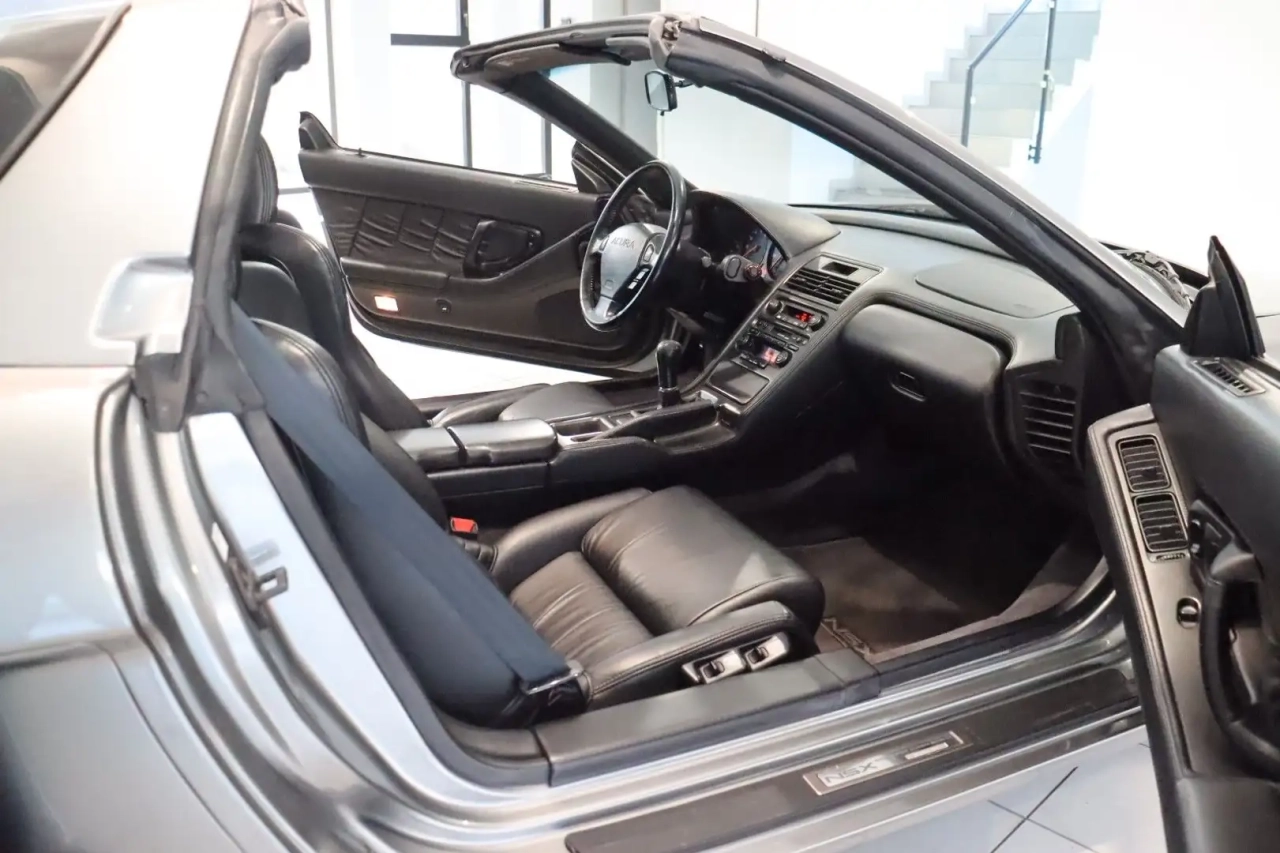
  • Votren911 updated the Acura NSX-T Bose Elektr.Seats listing details in group Acura NSX Mk1
    Post is under moderation
    Stream item published successfully. Item will now be visible on your stream.
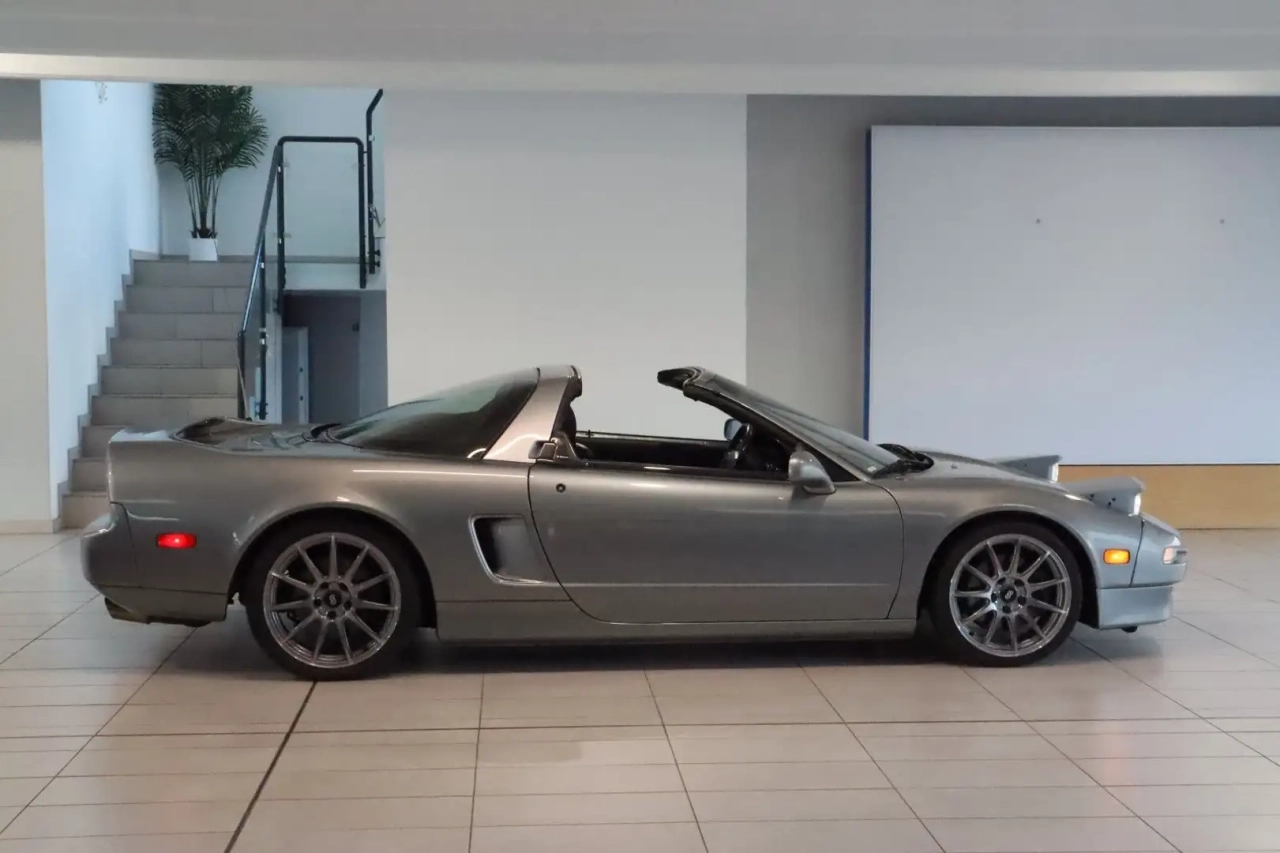
  • Votren911 created this group

    Acura NSX Mk1

    The First-Gen Acura NSX: the supercar that learned manners

    When the first-generation NSX arrived in the early 1990s, it didn’t just chase Honda’s rivals—it challenged the whole idea of what an exotic car had to be. Until then, “supercar” often meant drama: heavy controls, temperamental...
    The First-Gen Acura NSX: the supercar that learned manners

    When the first-generation NSX arrived in the early 1990s, it didn’t just chase Honda’s rivals—it challenged the whole idea of what an exotic car had to be. Until then, “supercar” often meant drama: heavy controls, temperamental reliability, awkward visibility, and a feeling that the car was always one mistake away from biting back. The NSX flipped that script. It delivered mid-engine balance and high-rev excitement, but with everyday usability that felt almost rebellious.

    Sold as the Honda NSX in most markets and the Acura NSX in North America (and some others), the first-gen car ran from 1990 to 2005—an unusually long life for a vehicle that started as a technological statement.

    Built like a future classic from day one

    One of the NSX’s biggest “mic drop” moments was its structure. Honda pushed lightweight engineering into the mainstream by giving the NSX an all-aluminum monocoque body—something that sounded like racing tech at the time, not something you’d drive to dinner. That choice didn’t just reduce weight; it helped shape the car’s personality: quick responses, a clean, rigid feel, and a sense that every input mattered.

    Then there’s the engine—because the NSX wasn’t built to win spec-sheet wars with huge displacement or turbo tricks. Early cars used a 3.0-liter DOHC V6 with Honda’s VTEC system, designed for smoothness down low and a distinctly sharp, urgent character as the revs rose. It made about 270 hp in manual form (less with the automatic). Later, Acura’s 3.2-liter version was rated at 290 hp and 224 lb-ft, keeping the naturally aspirated feel but adding a stronger punch.

    A cool bit of engineering trivia that perfectly captures the NSX mindset: Honda used titanium connecting rods—exotic, expensive hardware you’d normally associate with race engines—because the NSX was meant to live at high RPM all day without flinching.

    A supercar you can actually place on a road

    The genius of the NSX wasn’t just the materials or the powertrain—it was how normal it felt to operate, without ever feeling boring. The seating position was natural. The controls were friendly. The visibility was unusually good for a mid-engine coupe (a detail Honda famously cared about). And the chassis balance made it approachable at sane speeds while still rewarding real commitment.
    Development stories often point to the car being fine-tuned with input from Ayrton Senna during the late stages, including testing at Suzuka Circuit—the kind of detail that helped cement the NSX legend.

    The evolution: sharper, rarer, more collectible
    Because the first-gen NSX stayed in production for so long, it’s really a family of personalities rather than one single “version.”
    Early NA1 cars (3.0L, 5-speed manual or automatic): the purest expression—light, clean, and very “1990s future.”
    1997-on updates (3.2L + 6-speed manual for manuals): more torque, more bite, and a slightly more mature feel, while keeping the high-rev charm.
    2002 facelift: the iconic pop-up headlights were replaced with fixed HID units, modernizing the look and subtly changing the car’s vibe (some purists mourn the pop-ups; others love the cleaner nose).
    And then there are the special versions—especially the lightweight, track-focused NSX-R models (Japan-market) and the rarer enthusiast editions that have become magnets for collectors.
    Why the first-gen NSX matters now
    Today, the first-generation Acura NSX sits in a rare sweet spot. It’s a true analog driver’s car—naturally aspirated, balanced, communicative—but it’s also historically important. It proved you could engineer an exotic without building in inconvenience. It also showed that precision and repeatability could be just as exciting as raw chaos.
    That’s why the NSX’s reputation has aged so well: it wasn’t chasing a trend. It was setting a new baseline.

    Even the end of production reads like a closing chapter to a long-running idea—Honda formally announced it would discontinue NSX production in 2005.


    More
    0
    0
    0
    0
    0
    0
    Comments (0)
    Post is under moderation
    Stream item published successfully. Item will now be visible on your stream.
There are no activities here yet
Unable to load tooltip content.