 Write a comment
The Saab 900 Turbo is one of the most distinctive performance cars of the 1980s. With its angular styling, aircraft-inspired interior, and strong turbocharged engine, the 1989 Saab 900 Turbo remains a highly desirable classic for enthusiasts who want something practical, unusual, and genuinely rewarding to drive.
At first glance, the Saab 900 Turbo looks unlike almost anything else on the road. Its sharp lines, curved glass, and unmistakable profile give it a bold Scandinavian identity. But beyond the unconventional design, this is a car with real performance, strong engineering, and lasting character.
Why the Saab 900 Turbo Became an Icon
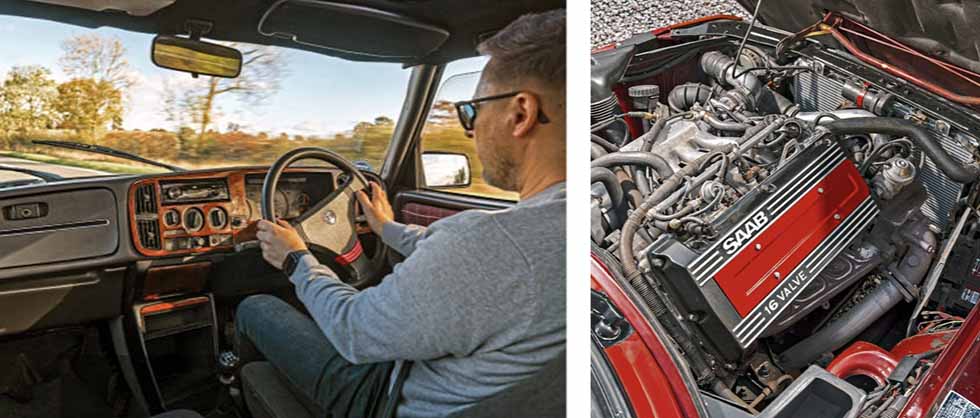
When Saab introduced the 900 Turbo in 1979, it changed expectations of what a practical family car could be. Power came from a 2.0-litre B201 inline-four engine, mounted at a 45-degree angle and paired with a turbocharger. Early versions produced 145bhp, which was highly impressive for the time and gave the car strong mid-range punch.
In 1981, Saab introduced the updated high-compression H-engine, improving both performance and reliability. Then in 1984, the Turbo 16 arrived with a 16-valve DOHC engine, lifting output to 175bhp. By 1986, the popular Saab 900 Convertible joined the range, helping cement the model’s cult status.
1989 Saab 900 Turbo Styling and Design
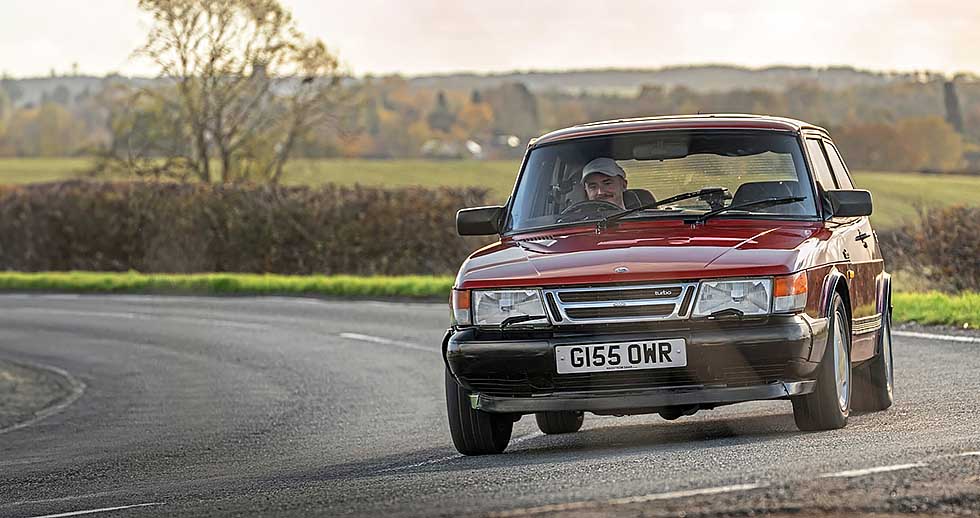
The 1989 Saab 900 Turbo 16-valve stands out for its unmistakable shape. Our featured example is a three-door hatchback, styled with subtle fastback coupe influences and finished in classic Cherry Red. It perfectly reflects Saab’s signature design philosophy: understated, practical, and functional, yet full of personality.
Unlike many rivals from the era, the Saab never relied on flashy styling. Instead, it delivered a clean, purposeful look that still feels unique today.
Interior: Classic Saab Aircraft-Inspired Cockpit
Step inside the Saab 900 Turbo, and the cabin immediately feels special. The dashboard wraps around the driver, creating a cockpit-like environment often compared to an aircraft or submarine control room. Features such as the integrated boost gauge, colourful instrument cluster, and Saab’s famous ignition mounted on the transmission tunnel make the interior memorable and unmistakably different.
Other signature Saab details include:
-
a front passenger footrest
-
tactile industrial-style switchgear
-
a driver-focused layout
-
excellent long-distance comfort
The result is an interior that feels both quirky and functional, with a character few classic cars can match.
How the Saab 900 Turbo Drives
The Saab 900 Turbo driving experience is all about confidence, balance, and turbocharged character. Steering is accurate, although slightly light around the straight-ahead position, but once the car is loaded into a corner, it provides reassuring feedback.
The suspension is tuned for real-world usability. It is firm enough to control body movement, yet compliant enough to make long journeys comfortable. This was never a car designed for pure track performance. Instead, the Saab 900 Turbo delivers composed handling, strong road manners, and effortless cruising ability.
One of the defining traits is its classic turbo lag. By modern standards, the delay in boost delivery is noticeable, but that is part of the charm. Press the throttle, wait a moment, hear the turbo spool, and then feel the surge of power arrive. It creates a driving experience that feels engaging, mechanical, and exciting in a way many modern cars do not.
Saab 900 Turbo Buying Guide: Common Problems to Check
Like any 1980s performance car, the Saab 900 Turbo has known weak points, but a well-maintained example can be very durable.
Rust
Rust is one of the biggest concerns. Key problem areas include:
-
the boot floor
-
the central driveshaft tunnel
These areas can be difficult and expensive to repair, so careful inspection is essential.
Oil Leaks
Oil leaks are common, especially around:
-
the cam cover
-
the timing belt cover
-
the join between the engine and gearbox
Gearbox Issues
The gearbox is another known weak spot. Because it is mounted directly beneath the engine, repairs and rebuilds are labour-intensive. Rebuild costs can be around £3,000, so buyers should make sure all gears engage smoothly without crunching or jumping out of gear.
Interior Wear
Common cosmetic issues include:
-
cracked top dashboard pads
-
sagging roof linings
The good news is that Saab’s fabric seats usually wear very well and often hold up impressively over time.
Electrical Issues
Electrical faults are generally minor. The most common concerns include:
-
faulty ABS systems
-
corroded earth strap connections
Overall, the electrics are better than many rivals from the same era.
Reliability and Parts Availability
With regular servicing, the classic Saab 900 Turbo is known to be remarkably tough. Many cars are capable of covering 250,000 miles or more without requiring a full engine rebuild.
While parts availability is not as strong as it once was, owners still benefit from:
-
a loyal Saab enthusiast community
-
specialist Saab workshops
-
aftermarket parts suppliers
This support network makes long-term ownership much easier than many people expect.
Saab 900 Turbo Values in Today’s Market
The market for the Saab 900 Turbo has strengthened in recent years. Affordable project cars can still be found in the £1,500 to £2,500 range, but a good, well-maintained example typically sells for £4,500 to £6,000.
Desirable models, including:
-
convertibles
-
special editions
-
low-mileage cars
-
rare colour and specification combinations
can command significantly more.
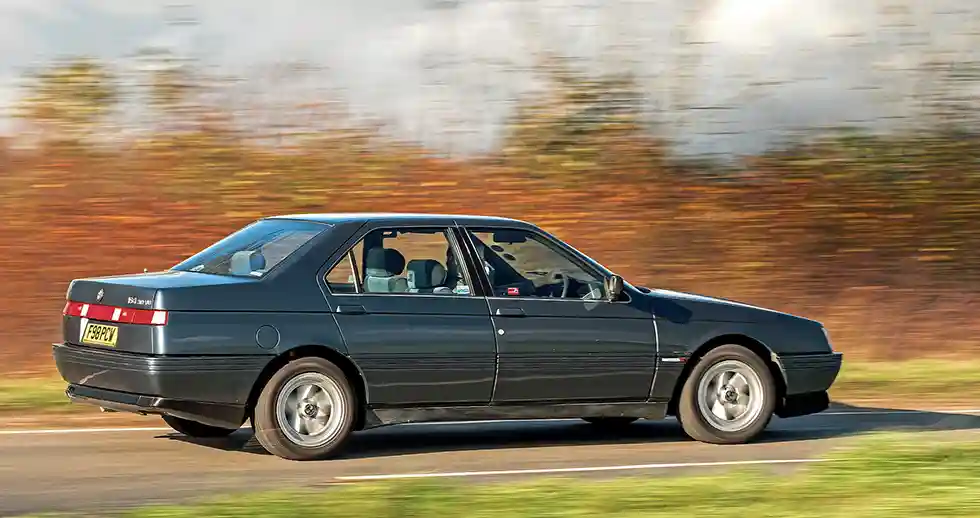
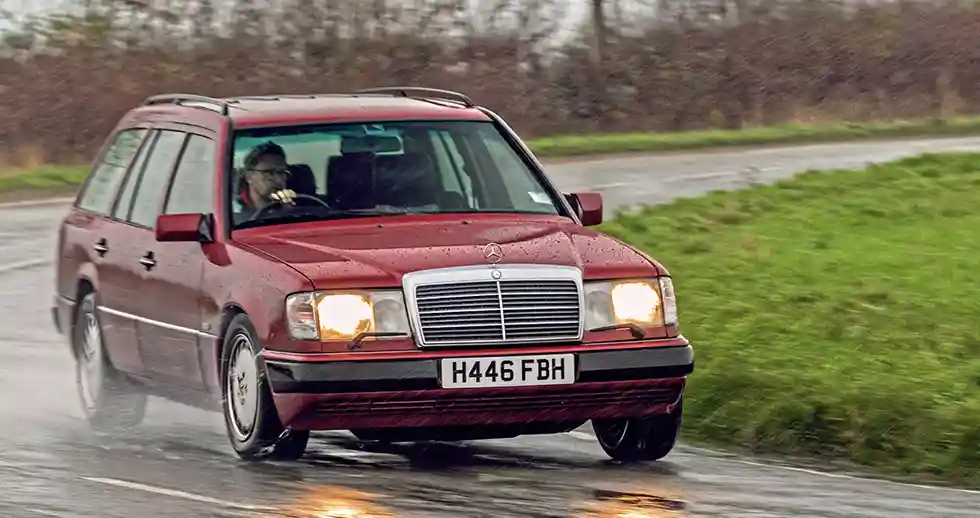
Compared with rivals such as the Alfa Romeo 164 or Mercedes-Benz W124 Estate, the Saab offers far more individuality. It appeals to buyers who want practicality, performance, and real personality in one package.
Why the Saab 900 Turbo Is Still a Great Classic Buy
The Saab 900 Turbo combines 1980s engineering, Swedish practicality, turbocharged performance, and unmistakable style. It may not be the fastest or most glamorous classic car of its era, but it has something far more important: character.
For around £5,000, it offers:
-
head-turning design
-
engaging turbo performance
-
strong durability
-
everyday usability
-
true enthusiast appeal
It is a car that starts conversations, rewards driver involvement, and stands apart from more predictable classic choices. For anyone who values originality and charm, the 1989 Saab 900 Turbo remains one of the most appealing and underrated performance classics on the market.
Owning a Saab 900 Turbo
For many enthusiasts, owning a Saab 900 Turbo is about more than transport — it is about enjoying a truly individual classic car. New owner Jordan Phillips, aged 26, recently bought his example after having the model on his automotive bucket list for years.
A fan of unusual cars, his collection also includes a Mercedes 190E, Porsche Cayenne Turbo, and Maserati Quattroporte. His Saab, showing 170,000 miles, still needs a few improvements, but that project aspect is part of the appeal.
Aware of common transmission problems, he has already sourced a spare engine and gearbox. He also plans to fit a Carlsson body kit and has modified the wastegate to produce a pronounced turbo “whoosh” between gear changes — a change many enthusiasts will instantly appreciate.
1989 Saab 900 Turbo Specifications
Model: 1989 Saab 900 Turbo
Engine: 1985cc inline four-cylinder, DOHC, Bosch LH-Jetronic fuel injection, Mitsubishi TE-05 turbocharger
Power: 175bhp at 5,300rpm
Torque: 201lb-ft at 3,000rpm
Transmission: Five-speed manual, front-wheel drive
Steering: Rack and pinion, power-assisted
Front Suspension: Independent, double wishbones, coil springs, dampers, anti-roll bar
Rear Suspension: Rigid beam axle with twin Watt linkages and Panhard rod, coil springs, dampers, anti-roll bar
Brakes: Vented discs front and rear, servo-assisted, ABS
Top Speed: 133mph
0–60mph: 8.6 seconds
Weight: 1,343kg
Fuel Economy: 27mpg
Original Price: £17,975
Current Classic Value: approximately £3,250–£11,000
Final Verdict
The 1989 Saab 900 Turbo is one of the most characterful classic turbo cars you can buy. It blends practicality, durability, distinctive design, and old-school turbo excitement in a way few rivals can match. For buyers looking for a usable, affordable, and genuinely interesting 1980s classic, the Saab 900 Turbo remains an outstanding choice.