 Write a comment
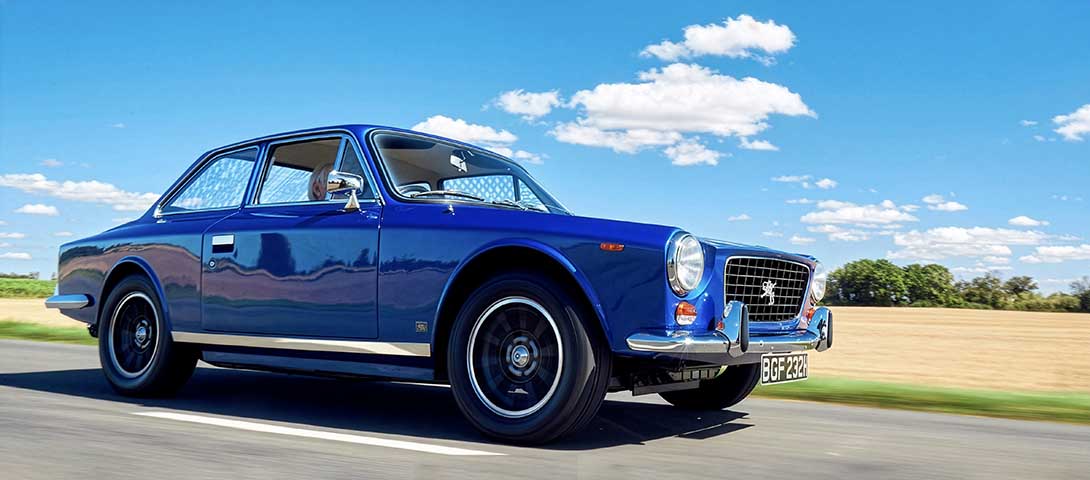
The Gilbern Invader is one of the most overlooked British classic grand tourers of the 1960s and 1970s. Rare, usable, and surprisingly tough, this Welsh-built GT offers strong performance, glassfibre rust resistance, and genuine collector appeal. If you want an unusual classic before prices rise, the Gilbern Invader deserves serious attention.
Why the Gilbern Invader Matters
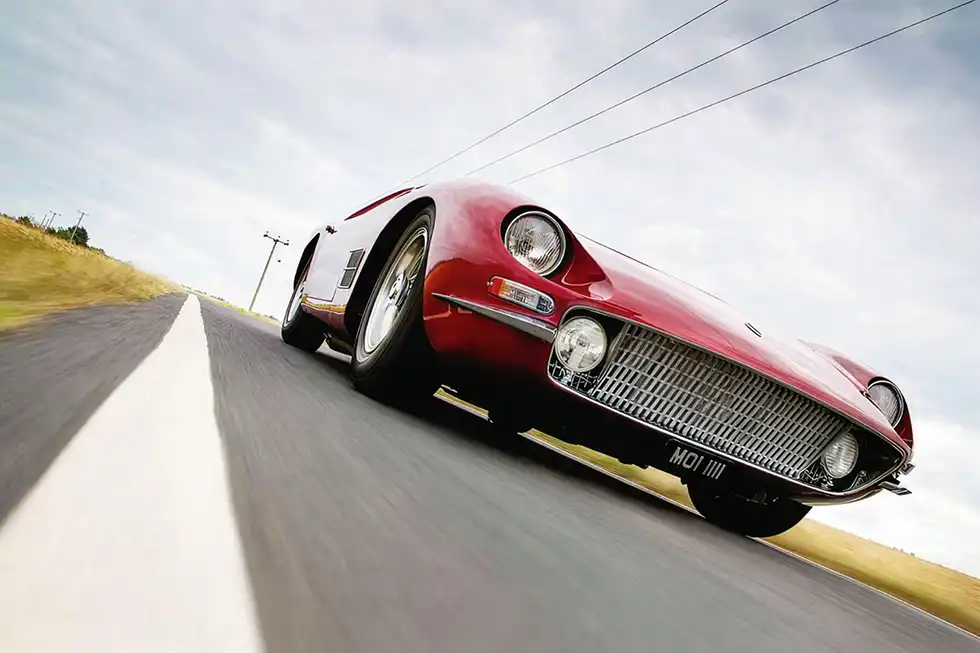
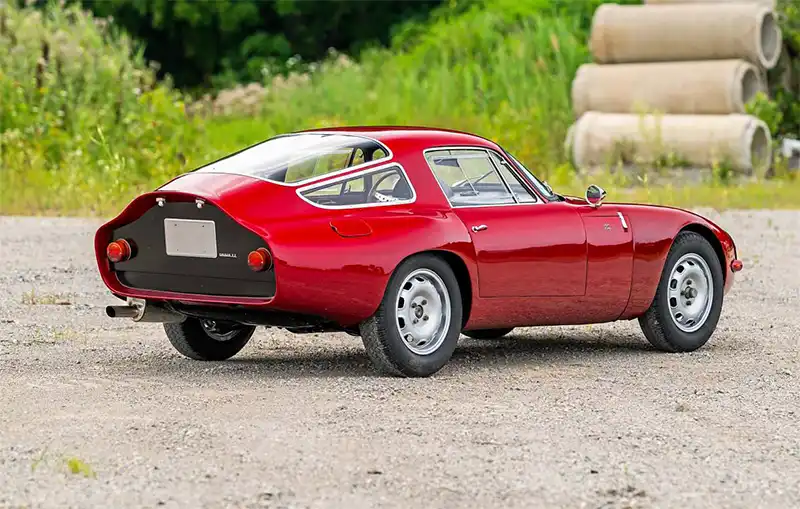
The Gilbern Invader is one of the last truly underrated classic cars from the late 1960s and early 1970s. Designed by Gilbern co-founder and engineer Bernard Friese, its styling has clear echoes of the Alfa Romeo Giulia GT, but the Invader brings a very different ownership experience.
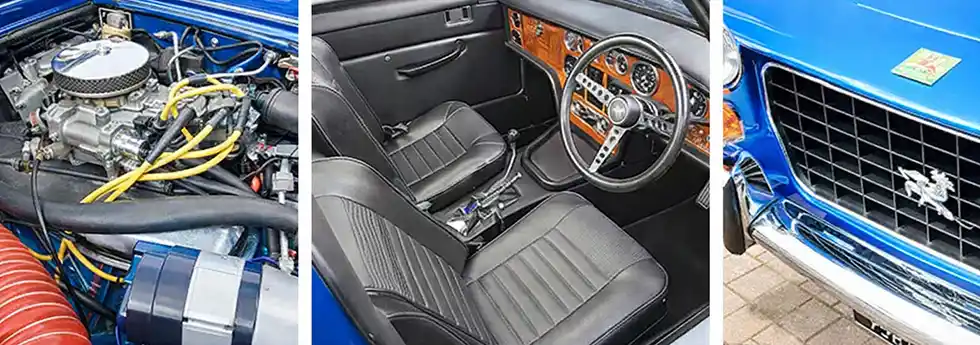
Unlike many steel-bodied classics of the era, the Invader uses glassfibre bodywork, which means far less concern about cosmetic rust. Under the bonnet, it features the muscular Ford Essex 3.0-litre V6, delivering strong low-end torque and relaxed grand touring performance. Add in a chassis proven in rally competition, and you get a rare classic that is far more robust and usable than many people expect.
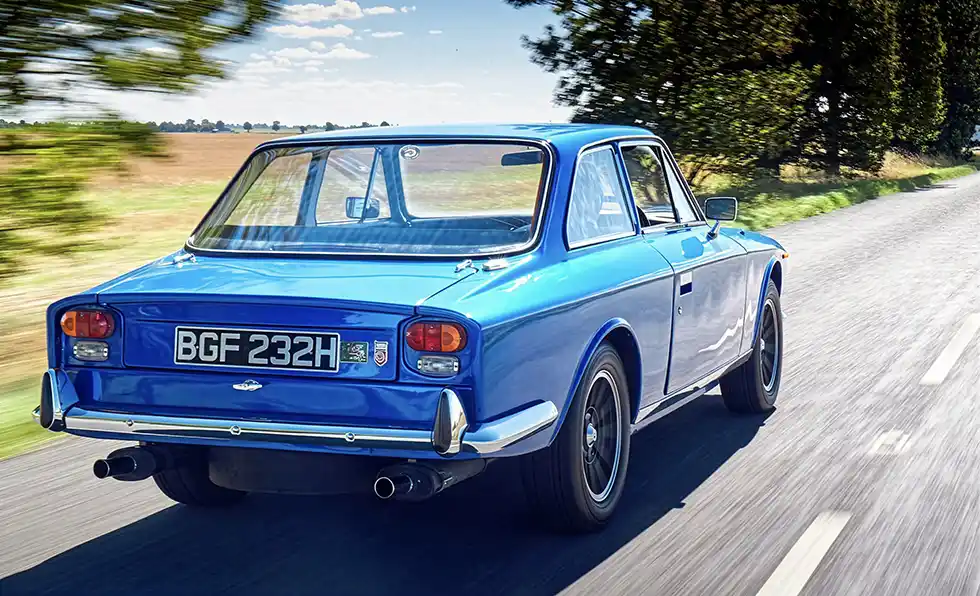
By the time the MkIII Gilbern Invader arrived, it had evolved into a more aggressive-looking GT with flared wheelarches, a wider stance, and the Ford Atlas rear axle also used in performance Ford applications such as the RS Escort.
But the Invader was never only about performance. It was Gilbern’s most serious attempt at building a true luxury grand tourer, offering features such as:
-
Leather trim
-
Walnut dashboard
-
Electric windows
-
Automatic transmission option
-
A rare Estate (shooting brake) version from 1970 to 1972
That Estate model often draws comparisons with the Reliant Scimitar GTE. Both are glassfibre-bodied, Essex V6-powered British shooting brakes, but the Gilbern is arguably the more distinctive and engaging driver’s car.
Gilbern Invader Model History
Gilbern Invader MkI (1969)
Launched in July 1969, the Invader replaced and evolved the earlier Gilbern Genie. It was available either as a fully built factory car or in part-built form for home completion, helping buyers avoid Purchase Tax.
Key features included:
-
MGC-derived front suspension
-
Walnut veneer dashboard
-
Electric windows
-
Flush-fitting door handles
-
Alloy wheels
-
Optional automatic gearbox
Gilbern Invader Estate (1970–1972)
The Invader Estate arrived in 1970, using Ford Corsair estate tailgate glass. This rare three-door shooting brake added practicality and exclusivity, though it offered less cargo space than a Scimitar GTE.
Production of the Estate ended when the MkIII was introduced in 1972.
Gilbern Invader MkII (1971)
Introduced in October 1971, the MkII incorporated updates first seen on the Estate. It can be identified by:
-
Triumph Stag-sourced door handles
-
Improved bonnet ventilation
-
Revised engine placement further back in the chassis for better balance
Gilbern Invader MkIII (1972–1974)
Released in September 1972, the MkIII was a major redesign and marked a shift in Gilbern’s business approach. It was sold only as a fully built factory car.
Notable changes included:
-
Lower, wider grille
-
Flared wheelarches
-
Wider track (around 10cm broader than MkI/MkII)
-
More Ford-sourced mechanical parts
-
Cortina MkIII-derived suspension
Financial difficulties and management changes eventually ended Gilbern production in late 1973, with the final Invader MkIIIs sold in March 1974.
Gilbern Invader Bodywork and Chassis: What to Check
Although the glassfibre body resists rust, the steel chassis does not. This is one of the most important areas to inspect when buying a Gilbern Invader.
Common Chassis Rust Areas
Watch closely for corrosion in:
-
Sills
-
Outriggers
-
Uprights ahead of the rear wheels
-
Top rail below the parcel shelf
-
Rear damper mounting points
Some early MkI cars also suffered from stress cracks around the front suspension mounting areas.
A professionally repaired chassis is not necessarily a problem, but you should always check:
-
Who carried out the repair
-
When it was done
-
How extensive the work was
Repair Costs
Restoration can be expensive. While some owners remove the body during major work, it is often unnecessary for localised repairs. A common method is cutting through the floor in sections to access the chassis.
Typical costs:
-
£300–£800 per floor section
-
Up to £6,000+ for major professional chassis restoration
That means severe chassis corrosion can easily exceed the value of an average MkI or MkII car.
Glassfibre Body Issues
Check carefully for:
-
Cracks
-
Crazing
-
Weak points around the left-hand boot hinge on saloons
-
Body shake ahead of the bulkhead, which may indicate loose mountings
The good news is that the Gilbern Owners’ Club owns many of the original moulds and can supply certain repair sections and replacement panels.
Doors, Hinges, and Glass
-
Doors are heavy and should fit correctly
-
Bonnet and door hinges mount directly to the chassis
-
MkIII door alignment can be especially difficult
-
Windscreens are unique, but replacements can be made via club-owned moulds
-
Flat side glass is easy to reproduce
-
Estate tailgate glass comes from a Ford Corsair estate
-
MkI/MkII rear lights are hard to source
-
MkIII rear lights use Ford Escort MkI items, which are easier to find
Gilbern Invader Engine: Ford Essex V6 Buying Advice
One of the Invader’s biggest strengths is its Ford Essex V6 engine. Parts availability is far better than many expect, and the engine is known for being simple, durable, and torquey.
Key Essex V6 Checks
A smart reliability upgrade is fitting an alloy cam timing gear. The original fibre timing wheel can fail, especially on engines that have previously overheated.
Recommended upgrades:
-
Alloy timing gear conversion: around £150
-
Unleaded cylinder head conversion: around £200 per pair
Cooling System
Radiators were made specifically for the Invader, so replacements are generally custom-made or re-cored originals.
When buying parts for a MkIII, make sure it has the correct:
-
Water pump outlet pipe
-
45-degree back plate
Improvised flexible hose setups can create airlocks, which may lead to overheating.
Gearbox and Drivetrain
Most Gilbern Invaders used the Ford Zodiac MkIV four-speed gearbox with overdrive.
Common Issues
The gearbox selector uses external rubber bushes, which harden with age and cause sloppy gear changes. Fortunately, replacement nylon bushes are available.
Five-Speed Conversion
A popular upgrade is the Ford Type 9 five-speed gearbox, which improves cruising usability.
Typical costs:
-
Rebuild: from £375
-
Complete unit: from £600+
-
Bespoke bellhousing: around £460
Rear Axles
-
MkI and MkII automatics used an MGC axle with a lower-ratio MGB crown wheel and pinion
-
MkIII used a Ford Atlas rear axle from a German-market Taunus, which is much harder to source
Suspension and Brakes
MkI and MkII
Earlier cars used Gilbern-specific front suspension, which can make sourcing some components more difficult. However:
-
Kingpins are available again
-
Unique dampers can be sourced through the owners’ club
MkIII
The MkIII benefits from much more Ford-based running gear, making maintenance easier. However, the front suspension mounts to a subframe that can take significant labour to rebuild.
Expect up to:
-
20 hours of work for a full rebuild
-
Engine and gearbox removal may be required
Brake Upgrades
If you want better stopping power:
-
MkIII rear disc conversion for the Cortina axle: around £300
-
Four-piston front calipers as an upgrade from MGC items: from £100 per pair
Interior and Trim: Rare Parts Warning
The Gilbern Invader interior is durable, but trim parts are one of the hardest areas for restorers.
What’s Hard to Find
-
Original seats
-
Dashboard assemblies
-
Centre consoles (especially MkIII)
-
Estate-specific rear folding seat components
If parts are missing, you will likely need:
-
A skilled trim specialist
-
Custom-made replacements
-
Good used parts through owners’ networks
Practical Alternatives
Because the Invader cabin is narrow, one of the few modern seat swaps that fits reasonably well is:
-
Mazda MX-5 seats, from around £100 per pair used
Rear seats will usually need re-trimming to match.
Interior Details
-
Standard trim was vinyl
-
Leather was optional
-
Gauges and dials are still available new
-
New dashboards must generally be custom-made
-
Wiring is simple, but electrical faults often come down to bad earths, as is common with glassfibre-bodied classics
-
New wiring looms are available through the club
How Much Is a Gilbern Invader Worth?
Only 603 Gilbern Invaders were built across all versions, making it a genuinely rare British classic.
Gilbern Invader MkI and MkII Prices
For coupé or estate models:
-
£5,000 – usable driver-condition car
-
£10,000 – excellent/mint example
-
£14,250 – top dealer-level car
Gilbern Invader MkIII Prices
The MkIII is generally seen as the most developed and desirable version, so values are stronger:
-
£5,500 – decent running example
-
£11,500 – top private-sale or excellent car
-
£16,000 – exceptional dealer-supplied example
Because these cars come to market so rarely, the best place to find one is often through the Gilbern Owners’ Club, rather than dealers or public auctions.
Is the Gilbern Invader a Good Buy?
Yes — if you want a rare, usable, characterful British GT that still offers value for money, the Gilbern Invader is a very smart classic car buy.
It combines:
-
Rare production numbers
-
Strong Ford V6 mechanical support
-
Practical glassfibre bodywork
-
Genuine grand touring comfort
-
A far more distinctive identity than many mainstream classics
The key is buying carefully. A good chassis matters far more than shiny paint, and missing trim can be costly to put right. But buy well, and you’ll own one of the most underrated British classics of its era.