 Write a comment
The 90s were halcyon days for motoring: emissions regulations hadn’t yet placed a complete stranglehold on V8s and V12s, and it would be years before our bizarre obsession with SUVs would kill off such genres as sedans, station wagons and two-seater sportscars; turning the automotive industry into a sterile, homogenised landscape, dominated by Chinese imports.
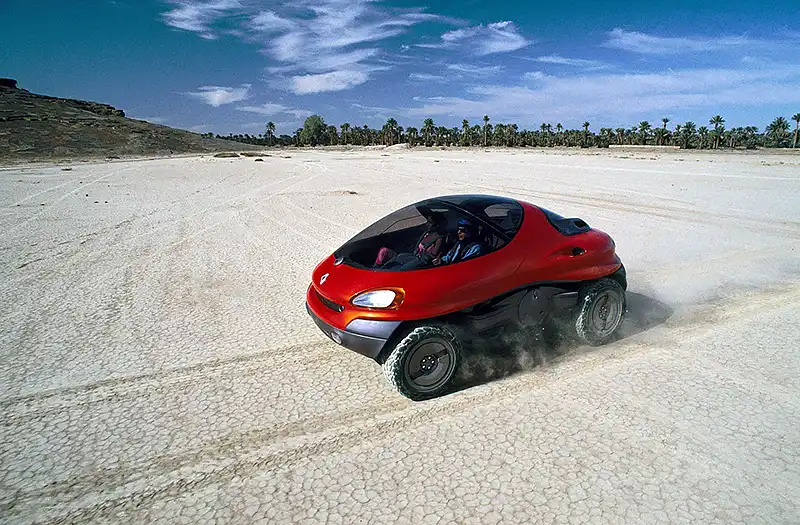
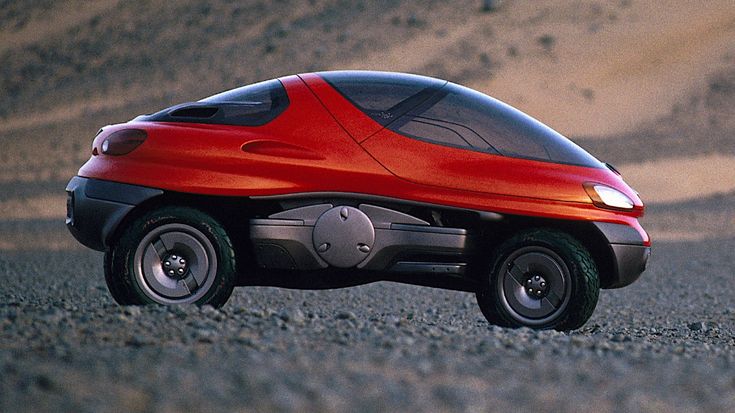
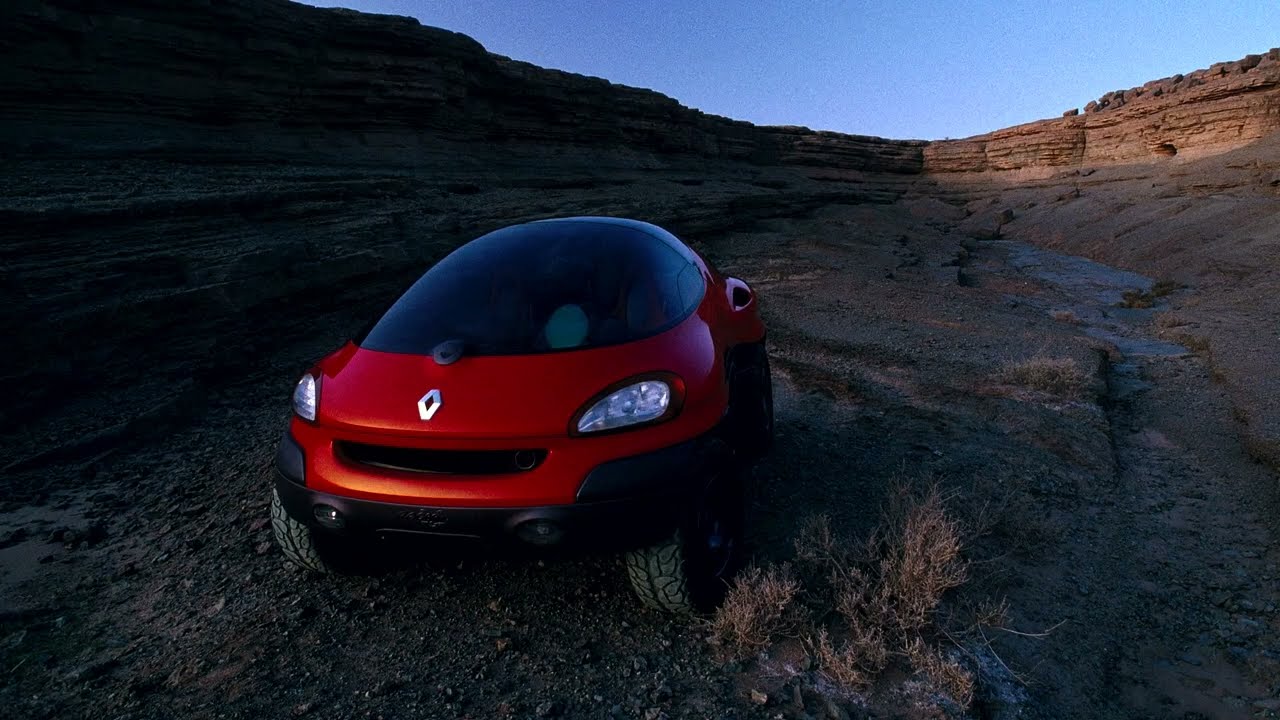
It was a similar story when it came to concept cars, with manufacturers having pretty much free rein to come up with some of the most outlandish creations we’ve ever seen. A car with a jet fighter-like glass canopy instead of doors? Sure. Hydraulically adjustable suspension giving the car towering ground clearance? No problem. A digital head-up display (HUD) instead of analogue instrumentation? Done. And, while you’re at it, why not make the whole thing amphibious? Back then, these were all viable concept car addenda, but Renault saw fit to combine all these features in its 1993 Racoon concept. The concept’s naming convention of a small carnivore noted for its propensity for diving into garbage cans may seem a little odd, but the rationale centred on one of the project developers likening the compact car’s appearance to a racoon swimming across a creek. As befitting something so quirkily styled, the Racoon was penned by Renault’s design director, Patrick Le Quément, who also brought us such oddities as the bustle-backed Mégane II, Avantime and Vel Satis. The proviso was to build a compact vehicle capable of dealing with any conditions thrown its way, and the result was more lunar rover than compact SUV. Instead of doors, the Racoon played host to a hydraulically operated canopy that encompassed most of the vehicle’s upper portion and, owing to the vast acreage of curved glazing, it utilised waterrepellent glass instead of clumsy windscreen wipers. The cabin’s two-plus-one seating arrangement was novel in and of itself, but more striking was the glass panel HUD in lieu of dials – you must remember this was more than 30 years ago. But it was the concept's mechanical bits that really grabbed attention. Instead of normal springs, it featured a hydraulically actuated scissorlift suspension, much like a cherry picker, to raise the body above rocks and so forth. Power was provided by a twin-turbo 2.9-litre V6 developing 192 kW and 363 N.m. This was good for brisk progress on- and off-road, but it also powered a set of rear-mounted hydro-jets. Yes, the Racoon was also a fully amphibious vehicle capable of clocking 9 km/h on water. Needless to say, practical applications never sprouted off this bizarre little slice of concept motoring, but here’s hoping that bringing attention to cars such as the Racoon will inspire future designers to stray into more adventurous territory.