Write a comment
This reflective essay explores the relationship between car design and art, tracing influences from Bauhaus to Porsche. It highlights the significance of engine sound and examines how electric vehicles are shaping the future of automotive passion.
Car design is often compared to art, yet it is a necessarily collaborative and industrial process. Unlike the lone artist, design teams, suppliers, and engineers all contribute, making it challenging to identify a single auteur. For example, as many as 14 designers worked on the 1969 Ford Capri.
This insular community, much like the army, advances in small increments, rarely welcoming outsiders. Even when famous architects like Walter Gropius and Le Corbusier engaged with car design, their results were fascinating but not always practical. Gropius's Adler SportReise Cabriolet was architecturally grand but ignored aerodynamics, while Le Corbusier's 'Voiture Minimum' was more conceptual than realized.
Porsche's experience in developing the 914 highlighted the complexities of balancing brand identity and performance within a collaborative environment. Designers like Hans Gugelot, using advanced materials and minimalistic concepts, achieved enduring masterpieces. The Porsche 914, austere and unique, stands apart in car design history.
The essay reflects on how today, car design is more influenced by fashion, with special editions carrying designer signatures, much like high street collaborations.
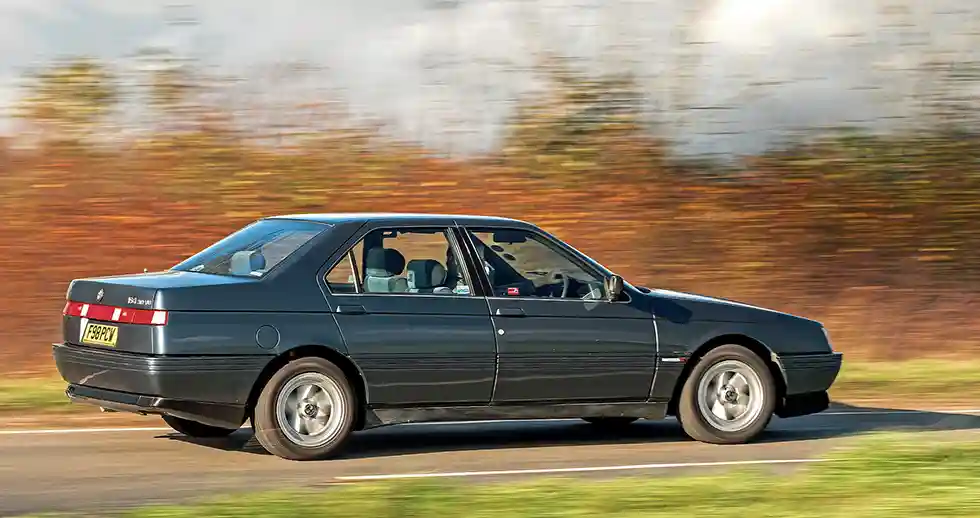
Engine sound is as much a part of the car's character as its appearance. From listening to historic racers like the 1953 BRM V16 to personal experiences with Alfa Romeo, Ford, and Porsche engines, the visceral connection created by mechanical sound is celebrated. The loss of this in an all-electric future leaves the author nostalgic, though open to electric cars where silence is desired—such as in city cars or luxury limousines—but advocating for a continued mix with hybrid and internal combustion for driving enjoyment.
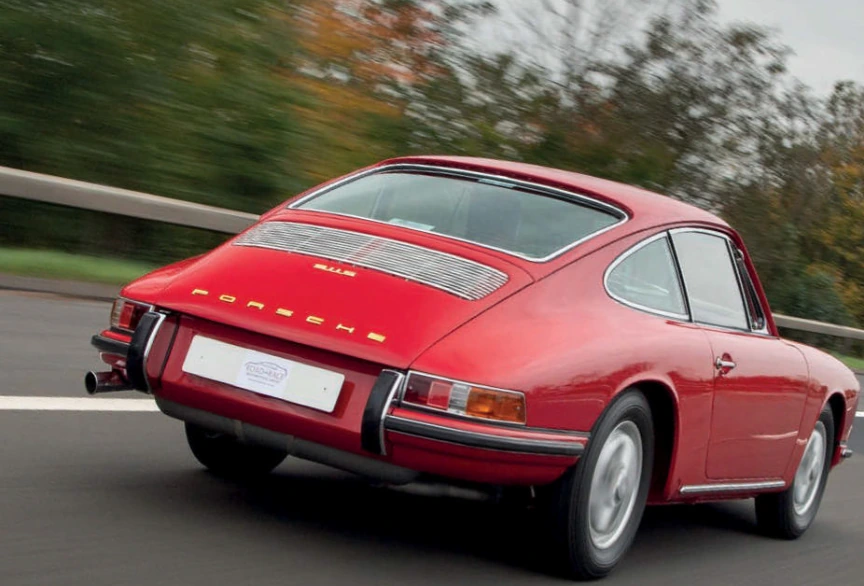
The personal journey through various cars—tuning engines for character, and savoring uniquely memorable sounds—culminates in a deep appreciation for the distinctive mechanical engineering of classics like the Jaguar straight-six and the 1973 Porsche 911 2.4S RS.
The conclusion is both wistful and hopeful: as the automotive landscape shifts, there is a desire to retain the artistry and evocative sound that have long defined the passion of car enthusiasts.