Write a comment
A Swedish hotelier reflects on his lifelong love of cars, from early dreams of Lamborghinis and Ferraris to building a unique collection at his hotel. He discusses car design, memorable acquisitions, and the changing automotive landscape.
Blending a career as a Swedish hotelier with a lifelong appreciation for cars, the collector describes how his childhood dreams focused on icons like the Lamborghini Miura and classic wire-wheeled beauties. Racing's danger and allure captivated him early on, as did television moments such as Tony Curtis in The Persuaders! driving a Ferrari Dino—an experience that piqued his interest in Ferrari models for life.
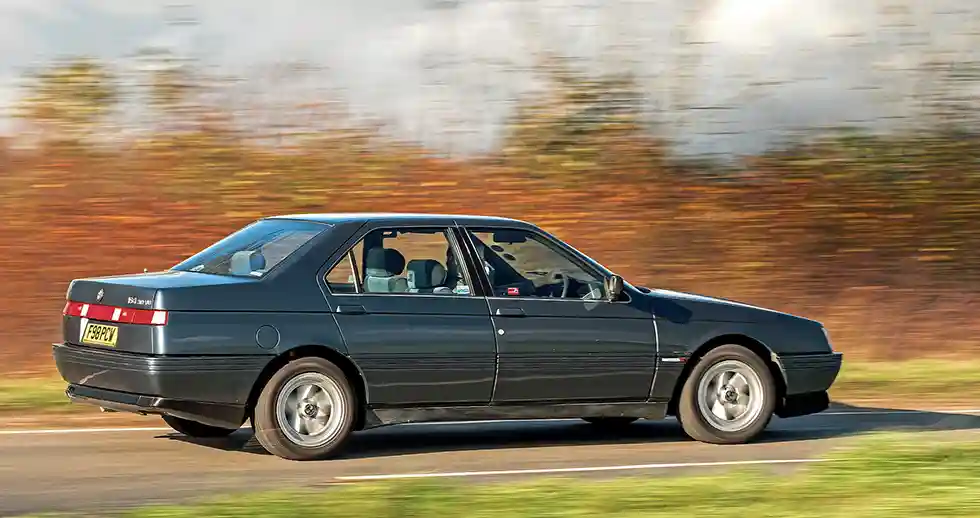
Recounting a pivotal memory, he recalls being in London when news broke of legendary Swedish F1 driver Ronnie Peterson’s passing in 1978, an event shown on a shop's many TVs. Car enthusiasm became part of his professional life; his first car was his father’s orange VW Passat but soon upgraded to a 1995 Ferrari 456 GT—his first Ferrari purchase.
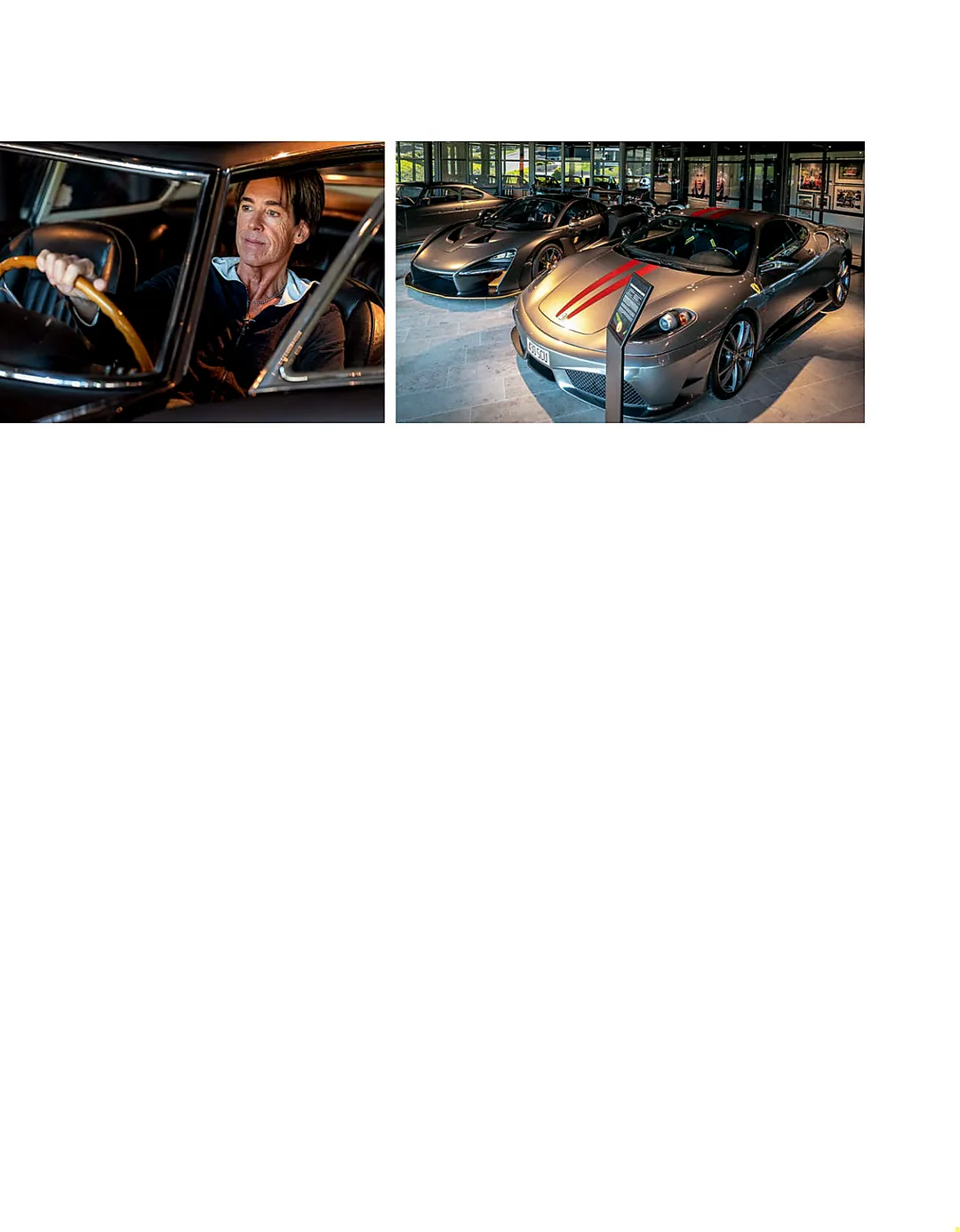
He admits that early Ferrari collecting wasn’t always profitable, but acquiring limited editions later paid off as values rose. Friendship with Ferrari's team after performing at their 50th anniversary led to opportunities to buy more exclusive models, including a 430 and a 458 Speciale Aperta, describing the latter as an absolute joy to drive. His collection expanded so much that new hotel spaces included dedicated garage displays so guests and especially children could appreciate the cars, even when not driven.
Reflecting on exclusive ownership experiences, he mentions the unexpected arrival of a Ferrari-lauded invitation to purchase a new, unnamed model—later confirmed as the LaFerrari Aperta—requiring significant trust and connections.
For him, the primary appeal remains design and emotional impact rather than outright speed. He refutes the idea that cars are 'lady magnets,' citing an amused anecdote involving his LaFerrari attracting a crowd of men at a supermarket. While he recognizes the shift toward hybrid and electric vehicles, he prefers classic mechanical experiences, expressing little enthusiasm for electrification and reaffirming his appreciation for gasoline engines.
Some cars in his collection, such as the Monza, get rarely driven and are more works of art than practical vehicles—he jokes about its lack of windscreen. He admits that in modern performance cars like his McLaren Senna, the sensation of speed is visceral and noisy. Despite growing his collection considerably, he still dreams of someday adding a 288 GTO or a Testarossa, but insists he’s not a typical collector.