Write a comment
Hot hatches brought fun and performance to everyday driving, redefining affordable motoring. This article traces their lineage, focusing on icons like the Volkswagen Golf GTI and Peugeot 205 GTI, and highlights why these cars still leave a strong impression on enthusiasts.
The best hot hatches emanate joie de vivre like almost nothing else on four wheels. For many enthusiasts they opened the gates to performance motoring and, like any first love, those sensations of speed, freedom and pride are indelible memories. Were it not for the hot hatch, an entire generation might never have graduated to greater things.
The hot hatch took over from the affordable European sports cars of the 1970s and 1980s, many of which looked antiquated in comparison. They majored on thrills and practicality, a combination that caught on, fast. The typical hot hatch formula is defined by a front-mounted, four-cylinder engine driving the front wheels, complemented by lowered and stiffened suspension, improved braking, and visual enhancements.
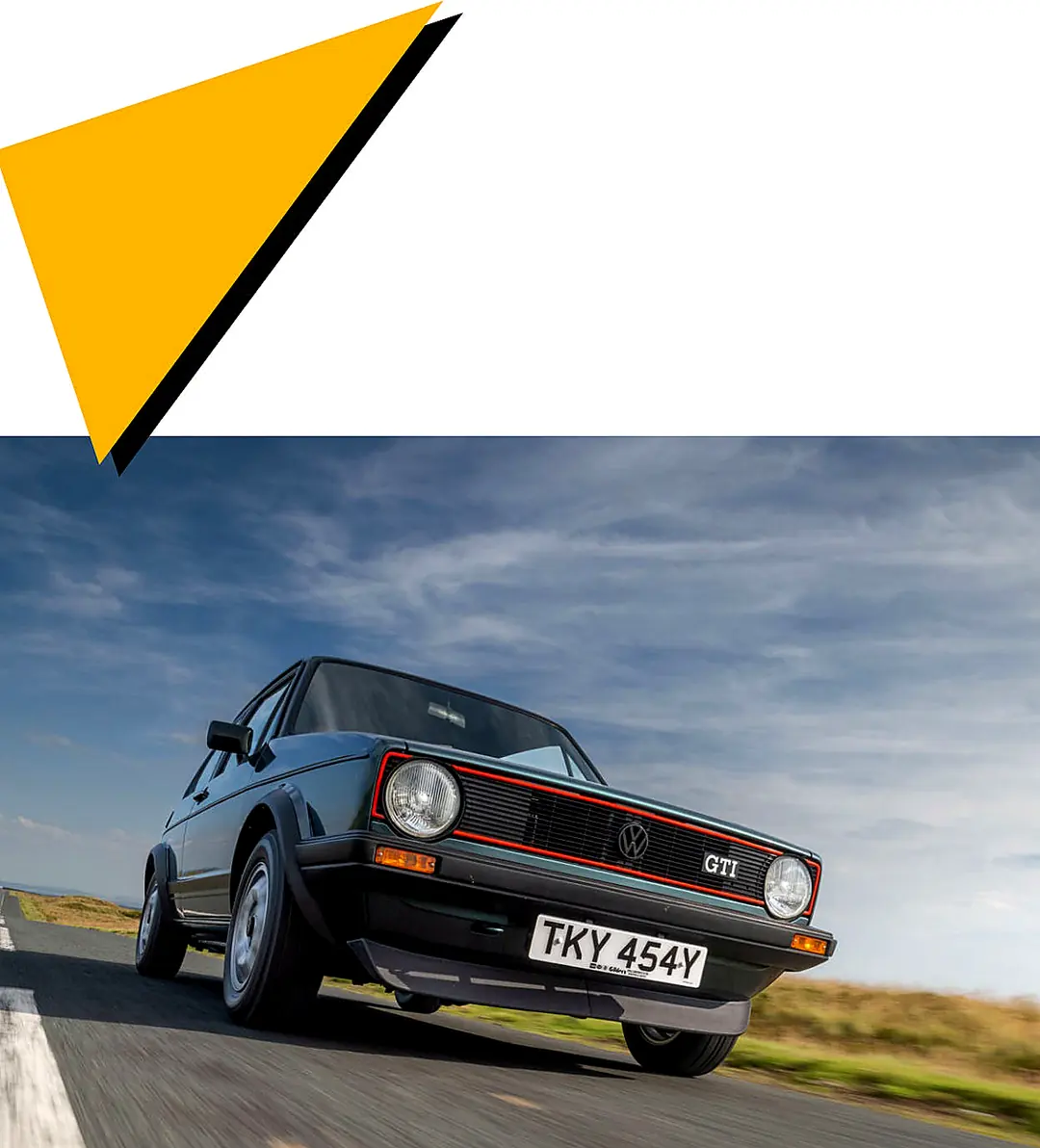
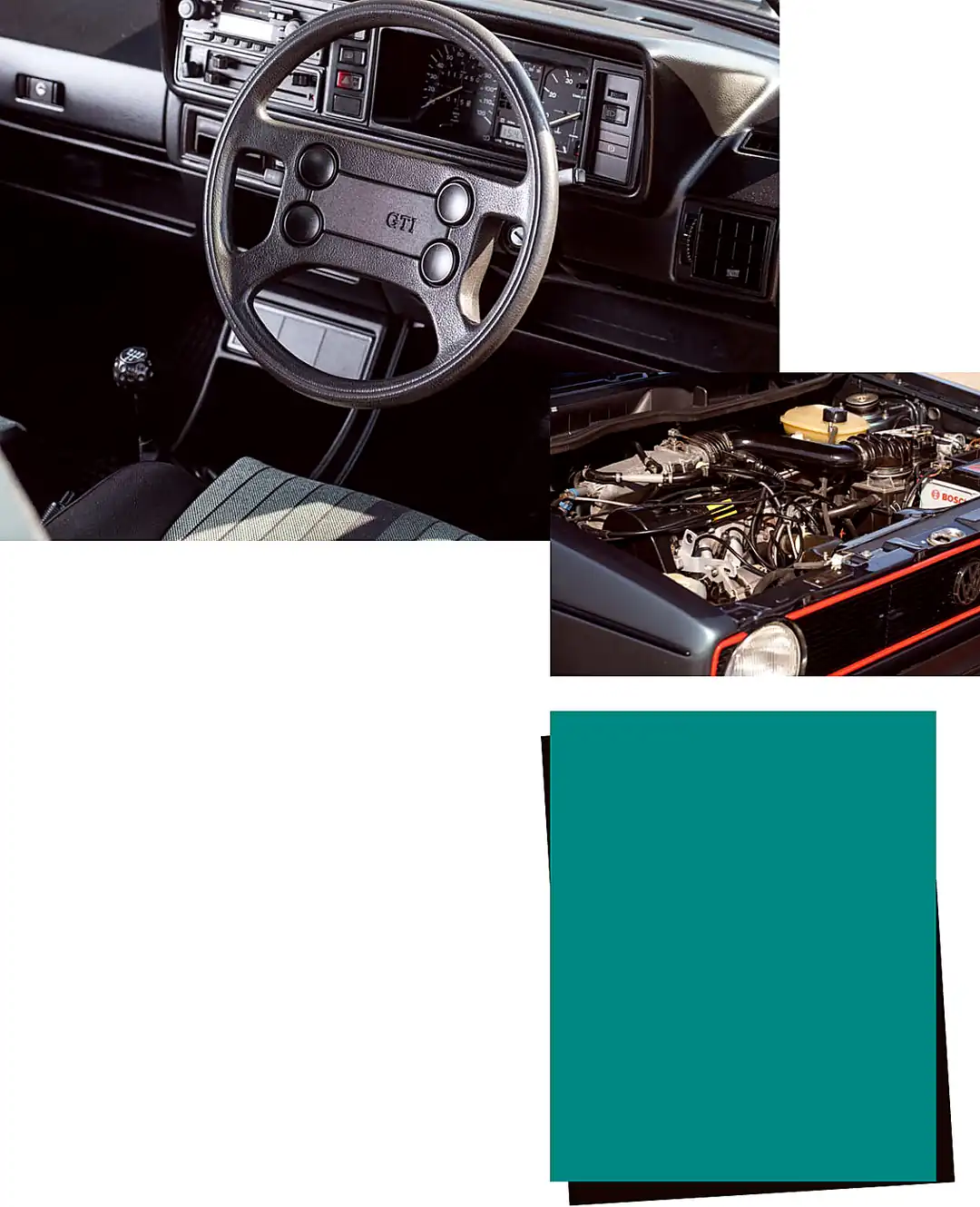
The story of modern hot hatches truly began in the mid-1970s with the Volkswagen Golf GTI. A six-person team at Wolfsburg transformed the Golf, introducing Bosch K-Jetronic fuel injection and targeting a production run of 5000. That conservative estimate was eclipsed, as over 2.3 million GTIs have been built across eight generations.
The early GTI's 1588cc engine, shared with the Audi 80 GT, produced 108bhp for a top speed of 112mph, reaching 60mph in just over nine seconds. With a firm, lowered ride and lively handling, the GTI was fun, frugal and dependable—attributes not always common in that era. Later 1.8-litre models, with 112bhp and more accessible torque, further improved drivability.
The Golf GTI's appeal lay in its all-round ability. Comfortably swift for daily driving yet thrilling when pressed, the original GTI combined usability with driver-focused fun. Its iconic styling by Giorgetto Giugiaro and VW's Herbert Schaefer remains highly regarded. As classic car values have risen, prime GTIs now fetch significant sums at auction.
But the hot hatch formula developed gradually, building on cars such as the Mini Cooper, Autobianchi A112 Abarth, Simca 1100Ti, Alfasud Ti, and Renault 5 Alpine—all predating the Golf GTI. Ford sought to challenge VW with the Escort XR3 and XR3i, with improvements into the 1980s, though distinct buyer camps emerged based on price and brand identity.
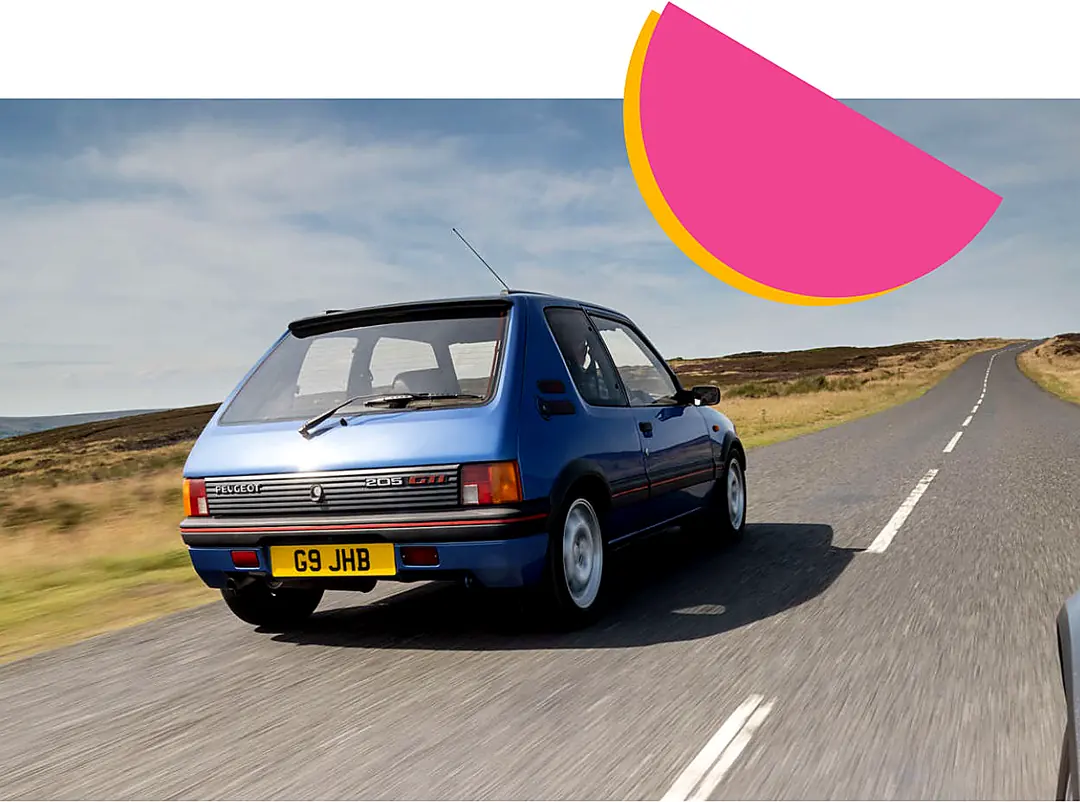
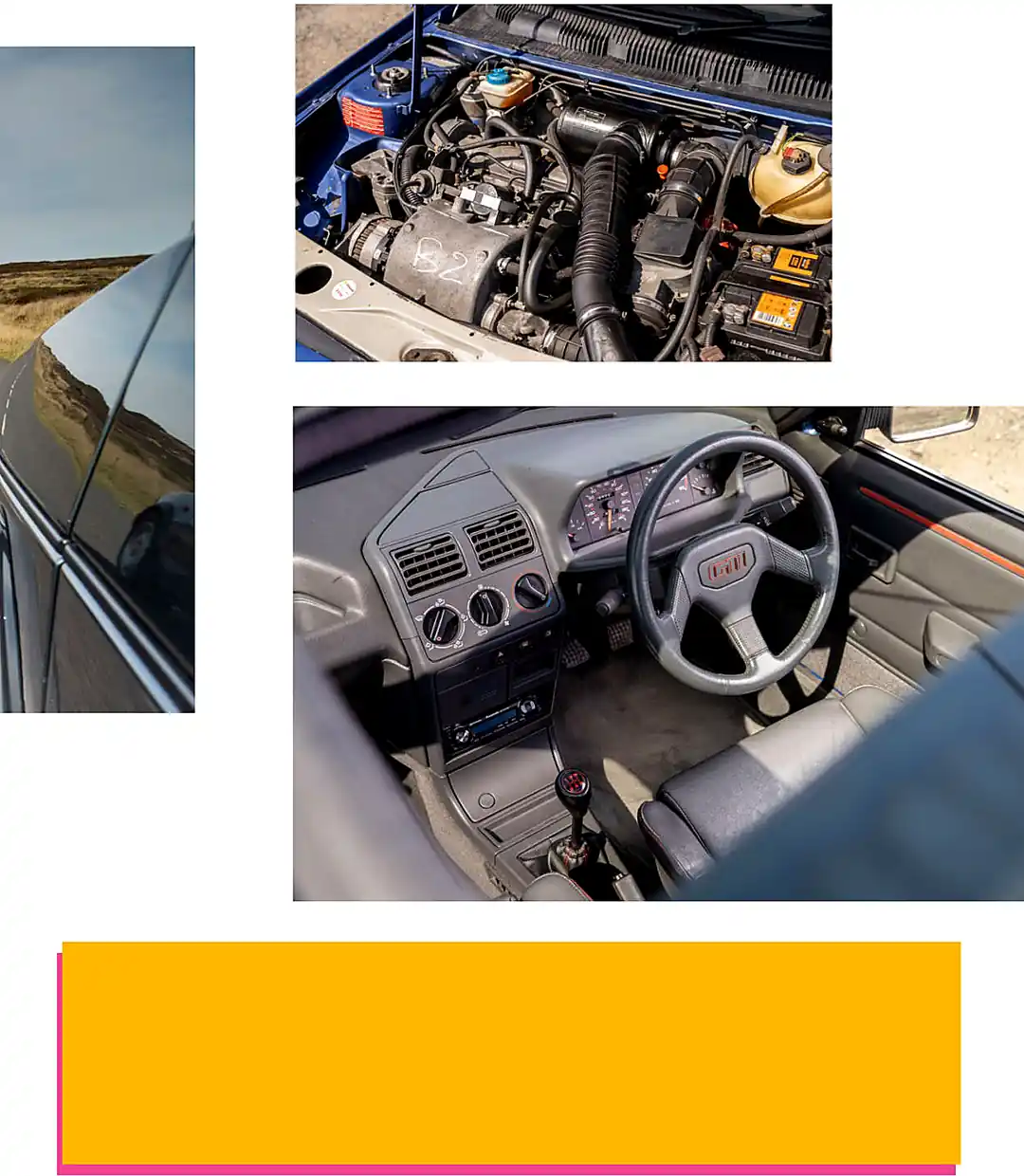
The Peugeot 205 GTI, launched in the early 1980s, quickly became a driver’s favourite. Initially featuring a 1.6-litre four-cylinder with 105bhp, the 205 GTI gained a 1.9-litre, 130bhp version by 1986. Weighing around 800kg and featuring an engaging chassis, the 205 GTI delivered nimble and thrilling handling, aided by direct, feedback-rich steering. Today, the best examples are highly collectable, regularly commanding substantial prices.
Other notable hot hatches included the Fiat Tipo 16v, powered by a 143bhp twin-cam, and the Renault Clio Williams, a special edition with a 2.0-litre engine and motorsport DNA. The Lancia Delta HF’s legacy, though moving to AWD, traces back to its hot hatch, front-driven origins.
These hot hatches, now widely celebrated, continue to remind enthusiasts of the era when performance and practicality made everyday cars truly exciting.