Write a comment
This article traces the evolution of the hot hatch, featuring key models such as the 2002 Ford Focus RS and Renault Megane R26.R. It considers their engineering, cultural impact, and how the segment has changed.
With World Rally Championship-inspired looks and reviving a beloved name, the original Focus RS was a hotly anticipated model. Its premium underpinnings—such as Sachs dampers, Brembo brakes, and Quaife differential—set a new benchmark upon its 2002 arrival. Ford boasted that around 70% of RS components were bespoke or strengthened, and the model significantly advanced the hot hatch genre, helping to popularize the 'super hatch' sub-segment around the turn of the millennium, joining the likes of the mid-engined Clio V6, Golf R32, and Alfa Romeo 147 GTA.
The RS's dynamic prowess was attributed to chassis expert Richard Parry-Jones and its well-tuned multi-link rear suspension. Although it looked the part of a homologation special, the Mk1 RS was more about engineering excellence than fulfilling motorsport regulations. Input was drawn from WRC figures including Malcolm Wilson, Colin McRae, and Carlos Sainz. Launched exclusively in Imperial Blue, 4501 units were produced, with nearly half heading to the UK. At £19,995 new, the RS now commands substantially higher prices among enthusiasts.
The 212bhp, turbocharged four-cylinder engine defined the Focus as a true driver's machine. With features like a green start button and distinctive cabin accents, it delivered excitement with every drive. The Quaife limited-slip differential provided impressive traction, particularly out of tight corners, giving the RS a top speed of 144mph.
As the hot hatch segment evolved, notable competitors surfaced. The Honda Civic Type R EP3, built in the UK, matched the RS dynamically and cost less at launch, now representing significant used-car value. Meanwhile, RenaultSport developed models like the Clio Trophy, lauded for their classic hot-hatch characteristics, and raised the stakes further with the Megane R26.R.
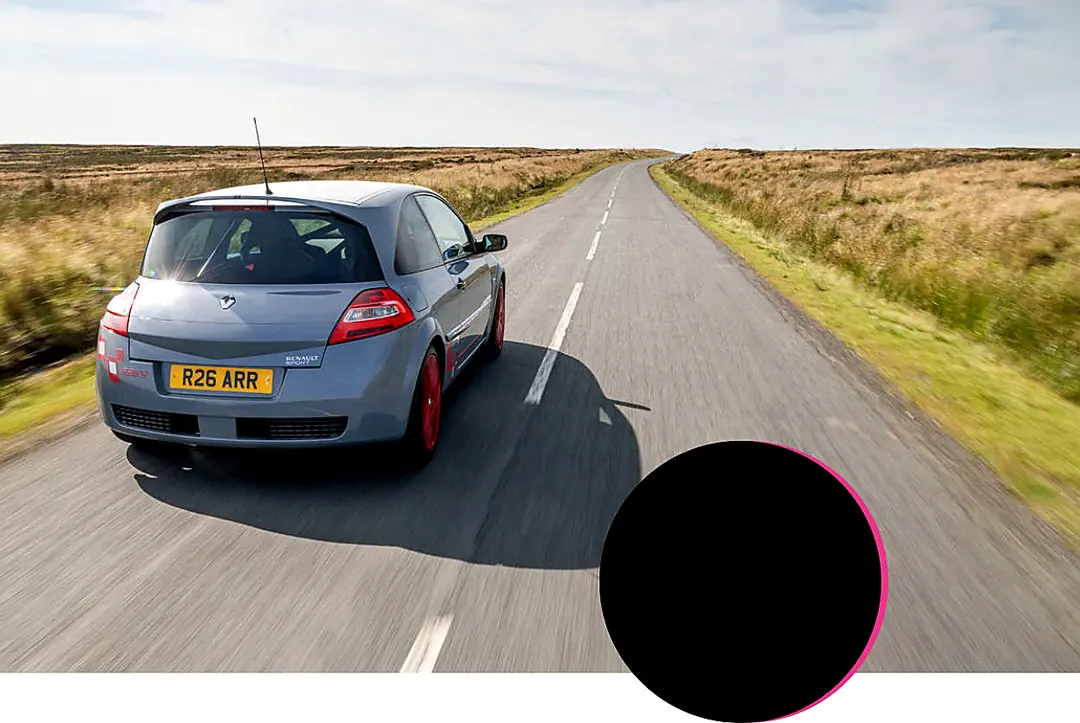
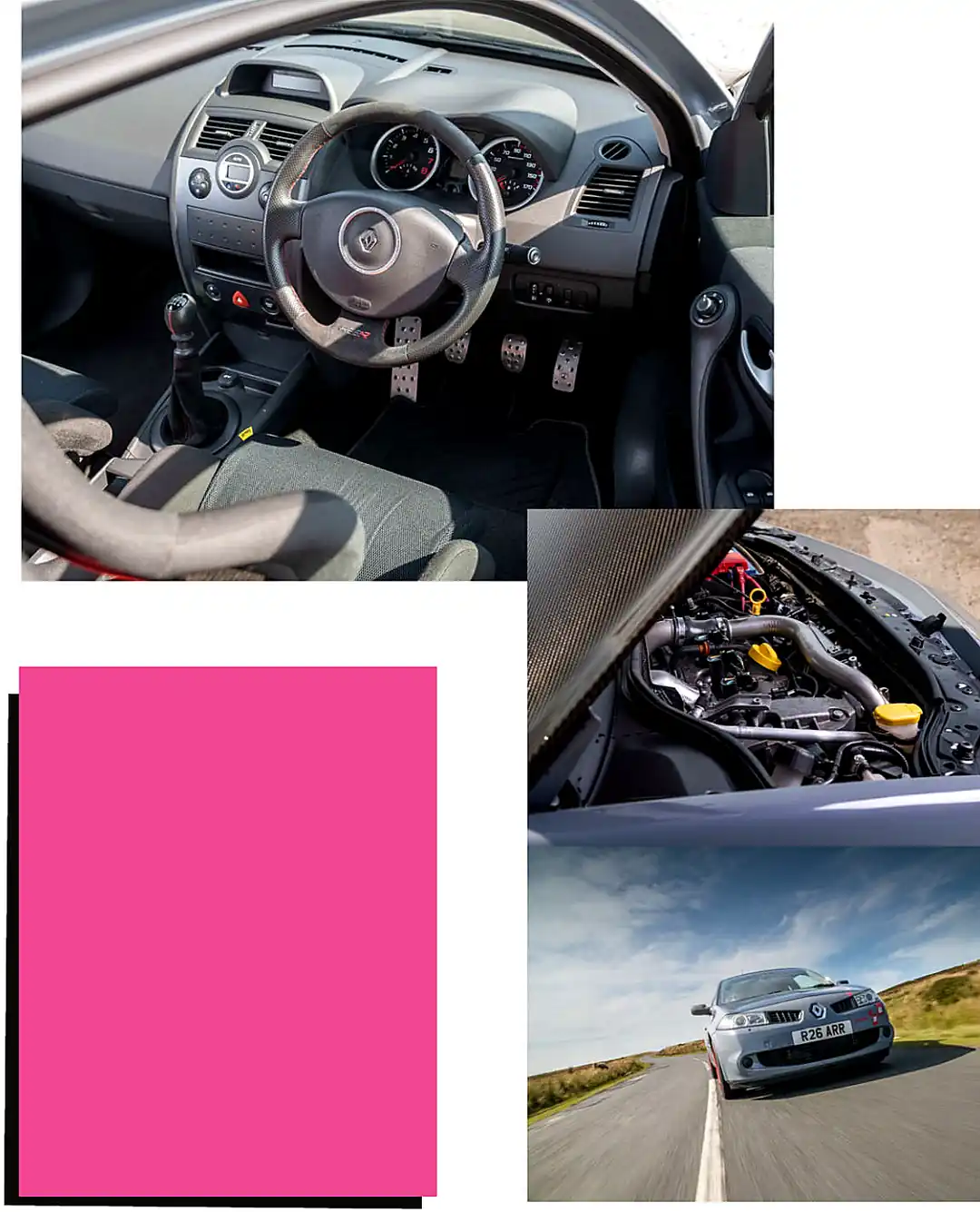
Introduced in 2008, the RenaultSport Megane R26.R took the extreme hot hatch to another level, stripping weight with carbon fibre and plastic elements, and adding a roll-cage and racing bucket seats. Despite being launched in the midst of a global financial crisis, its commitment to driver engagement elevated the R26.R to cult status. With only 159 units sent to the UK, the R26.R combined a 227bhp engine with lightness and exceptional suspension tuning for remarkable track and road performance, making it highly desirable among collectors.
Other notable entries included the Alfa Romeo 147 GTA, Ford Focus RS Mk2, Honda Civic Type R FD2, and Volkswagen Golf GTI, each pushing the boundaries of performance and driver involvement in different ways.
By the late 2010s, the hot hatch landscape had shifted. Increased weight, the introduction of four-wheel drive, and higher outputs characterized the new era, as seen in cars like the Mercedes-AMG A45 S and Toyota GR Yaris. Some manufacturers, such as RenaultSport and Ford, had moved away from the segment, while recent standouts like the Hyundai i30 N and Ford Fiesta ST have kept the spirit alive.
Despite advancements, many enthusiasts argue that the excitement and purity of older hot hatches remain unmatched. As the market continues to evolve, the legacy of models like the 2002 Focus RS and 2008 Megane R26.R ensures that the golden era of the hot hatch will not be forgotten.