 1 Comment
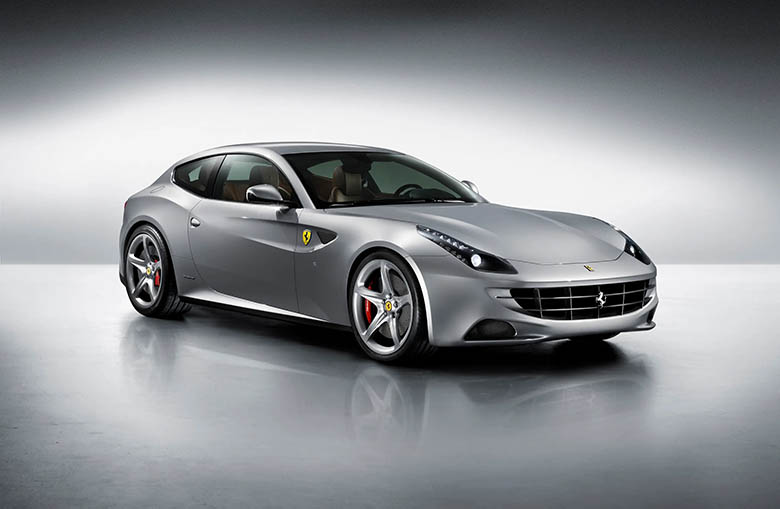
Every four-seat Ferrari from the 330 GTE onwards has followed a familiar arc: a high entry price, steep depreciation, a period in the wilderness, and then classic recognition. What’s changing is the speed of that cycle. Model by model, the “depreciation cliff” is getting shorter—and the Ferrari FF may be next to tighten in supply at today’s prices.
Ferrari FF depreciation and why the cycle is speeding up
A good example is the contrast between earlier Ferrari 2+2 models and newer ones. An Eighties Ferrari 400i stayed cheap for around 25 years. By comparison, the Ferrari FF (2011–2016) had already completed its major depreciation phase by 2021 and was showing signs of recovery by 2023.
It hasn’t exploded in value, but there are credible reasons it could become harder to find a good one at current money—especially low-mileage, well-maintained cars.
Ferrari FF prices today (realistic ranges)
Recent results suggest bargains still appear—like a 2012 Ferrari FF with 15,000 miles in Grigio Ingrid selling for £66,000 via Collecting Cars in autumn. Realistically, that may be an outlier.
For pampered examples from a dealer, the sweet spot is typically £80,000 to £110,000, ideally backed by a watertight extended warranty.
Quick pricing guide (UK, typical market):
-
£60k–£75k: usually needs sorting, patchy history, higher risk
-
£80k–£110k: best balance of condition, history, and spec
-
£110k+: standout mileage/spec/history, often “collector-grade”
Why the Ferrari FF still looks like a “modern Ferrari”
The FF was over £300,000 new, which isn’t ancient history. That’s the kind of money you’d now spend on a nearly-new Ferrari 812 GTS—another front-engined V12 machine.
To most people, the FF still looks and sounds like a modern Ferrari, helped by the fact that the similar-looking GTC4 Lusso remained in production until 2020.
What makes the FF special (and more collectible)
The FF has several factors working in its favour:
-
First-ever 4WD Ferrari (production model)
-
First factory shooting brake body
-
More “driver’s car” credibility than the softer GTC4 Lusso and the V8 turbo GTC4 Lusso T
-
The whole line has now ended—replaced by the Purosangue, which is an SUV and costs around £500k new
For some buyers, that last point is the big one: there may never be another front-engined V12 Ferrari shooting brake like it.
Known issues (PTU, warning lights) and why specialists matter
Yes, the FF can bring the usual Ferrari realities:
-
The PTU (front axle gearbox) can be troublesome
-
The “Ferrari warning-light bingo” experience is real
The good news is that the industry has moved forward. Rather than replacing whole units, many specialists now focus on rebuilding and resealing transmission components. Parts supply is still strong, and the cars haven’t yet reached the “locked away forever” stage.
This makes the FF attractive for used Ferrari fans: the knowledge base is stronger than it used to be, and you can still find cars being properly driven and maintained.
Running costs vs depreciation (the real ownership maths)
Buying an FF always required accepting that this is where the spending begins—not where it ends. But if values gradually rise, you get a rare opportunity in Ferrari ownership: offsetting running costs against reduced depreciation.
In other words, with the right warranty and a well-chosen example, FF ownership can compare surprisingly well with the depreciation hit on newer alternatives like:
-
Audi RS6
-
Porsche Panamera
-
BMW M5
What to look for when buying a Ferrari FF
Checklist for smarter shopping:
-
Full service history (specialist stamps are a plus)
-
Evidence of PTU/transmission work or inspection
-
Strong diagnostics record (less “mystery electrics”)
-
Matching tyres and correct spec (FFs can be sensitive to mismatched setups)
-
Extended warranty that clearly covers major drivetrain components
FAQ
Is the Ferrari FF going up in value?
It’s shown signs of stabilising and modest growth since the early-2020s depreciation low. Good, low-mileage examples may tighten in supply.
What is a fair price for a good Ferrari FF?
Dealer-sold, well-kept cars often sit around £80,000–£110,000, depending on mileage, history, and condition.
What’s the biggest mechanical risk on an FF?
The PTU/front axle gearbox is the best-known talking point, along with typical Ferrari electrical warning issues. Specialist inspection is essential.
Should I buy without a warranty?
A strong extended warranty can be a major advantage, especially if you’re using the car regularly.